In the global industrial packaging market, technical precision is the difference between a successful shipment and a logistical disaster. For procurement managers and exporters, two acronyms dictate the structural integrity of every sack: GSM and Denier.
Understanding the distinct relationship between fabric density and fiber thickness is vital. Miscalculating these metrics leads to either paying for over-engineered bags or suffering catastrophic bursting during transit. This guide serves as the definitive resource for mastering these specifications.
The Science of Denier (D)
Denier is a unit of measurement inherited from the silk industry, now standard for synthetic fibers like Polypropylene. It determines the linear mass density of individual fiber tapes before they are woven into fabric.
The Technical Definition
1 Denier = 1 gram per 9,000 meters
If 9 kilometers of a single PP tape weighs 800 grams, that tape is classified as 800D. In the manufacturing process, Denier is controlled during the extrusion phase by adjusting the screw speed of the extruder and the draw ratio of the stretching rollers.
Standard Industry Classifications
GSM vs. Denier: The Ultimate Technical Guide to PP Woven Bag Strength
Understanding GSM (Fabric Density)
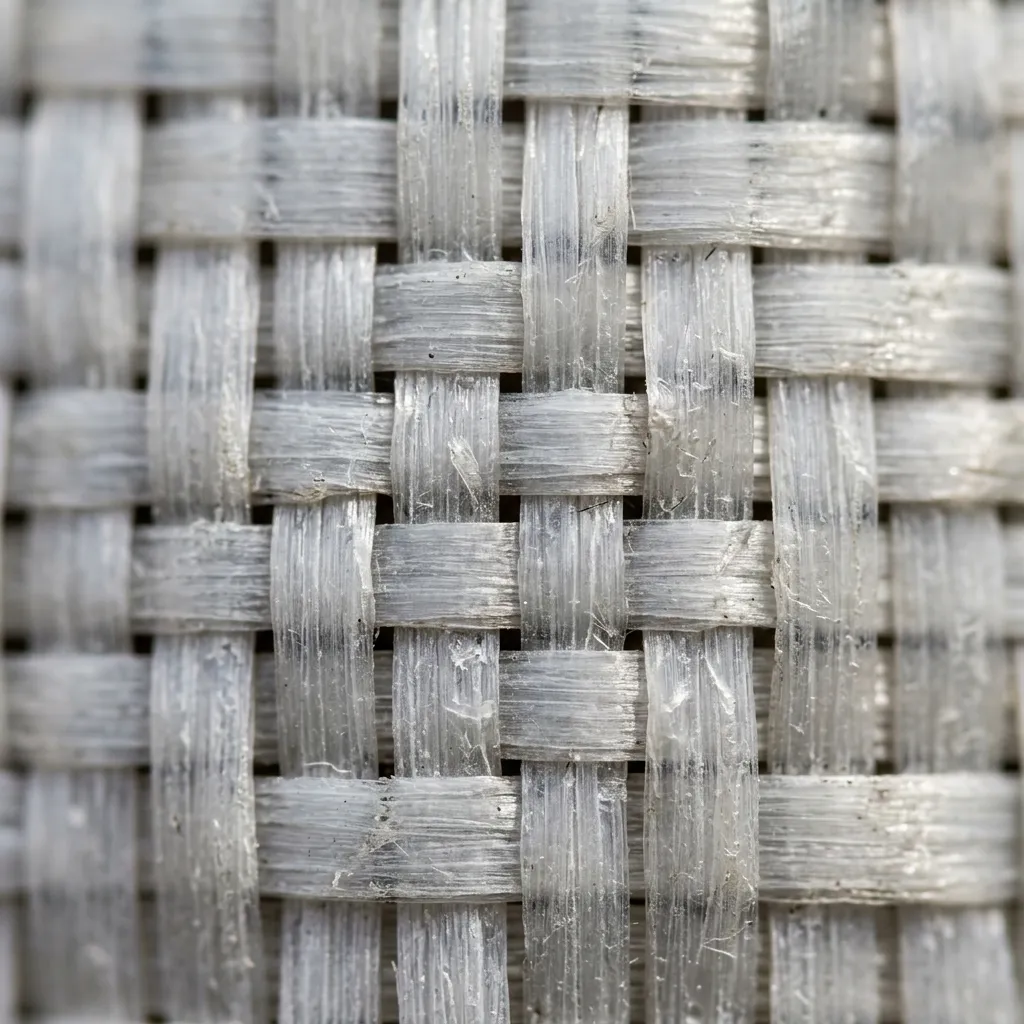
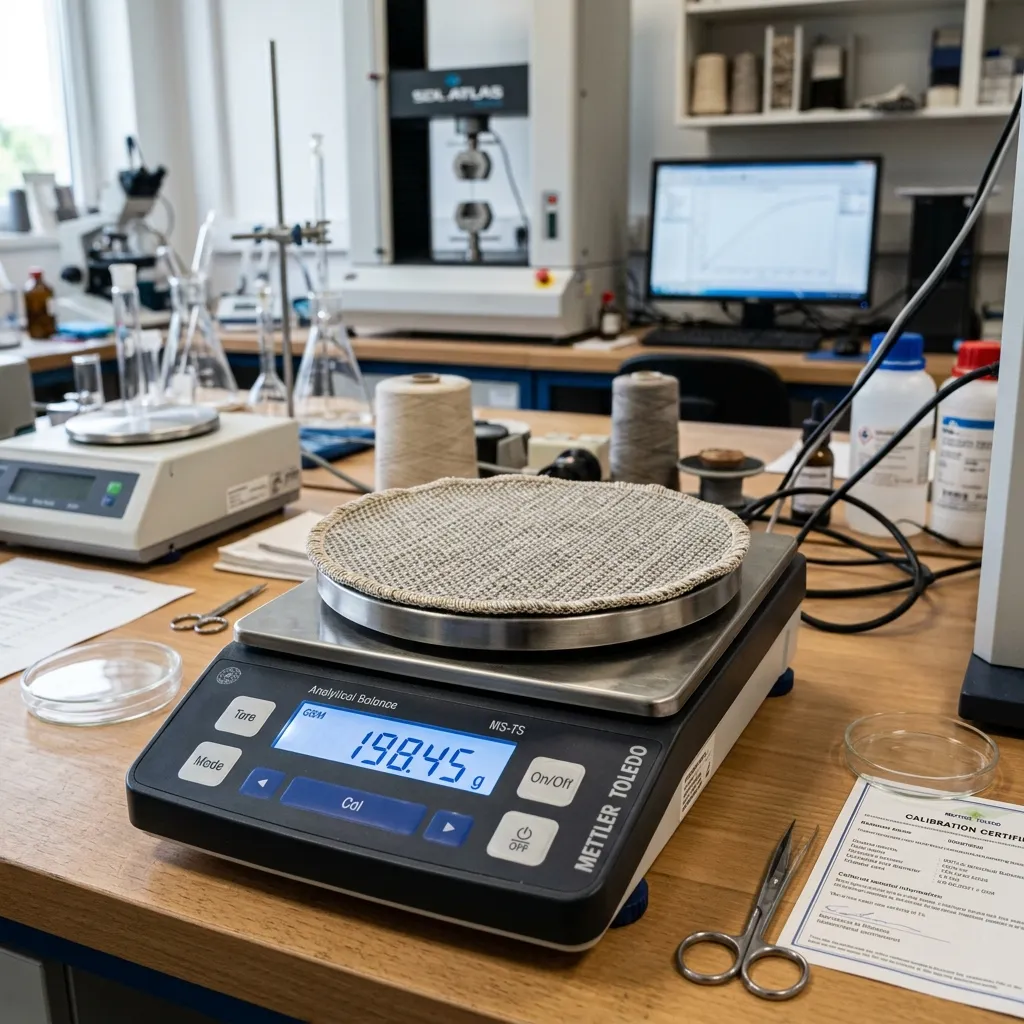
While Denier measures the individual thread, GSM (Grams per Square Meter) measures the weight of the final woven fabric surface. This is the primary metric used to determine the bag's total weight and, consequently, its cost.
Light-duty for agricultural ventilation (e.g., onions, potatoes).
Standard export for wheat, rice, flour, and 50kg fertilizers.
Heavy-duty for cement, minerals, and dangerous chemicals.
"GSM is the most reliable proxy for quality in the procurement cycle. A variation of even 5 GSM can reduce the burst strength of a bag by up to 20%, potentially leading to massive losses during marine transit."
The Interplay: Denier, GSM, and Mesh
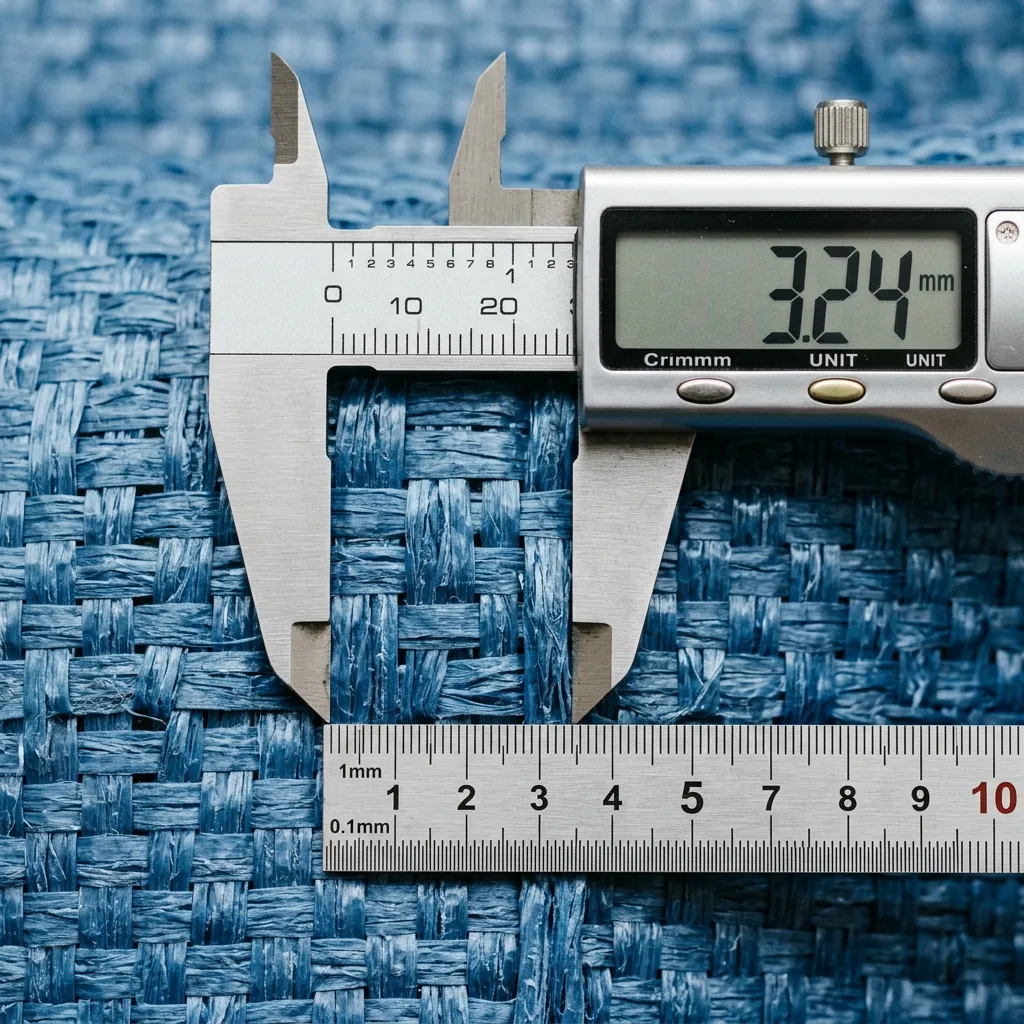
The relationship between GSM and Denier is bridged by Mesh Count — the number of tapes woven in a one-inch square. You can achieve the same GSM using two different engineering approaches:
Option A: High Mesh / Low Denier
Using 800D tape with a 12x12 weave density. Results in a tight, sift-proof fabric ideal for fine powders like flour.
- ✓ Excellent print registration
- ✓ High puncture resistance
- ✓ Minimum sifting of contents
Option B: Low Mesh / High Denier
Using 1000D tape with an 8x8 weave density. Results in a stronger, more breathable fabric ideal for grains or fertilizers.
- ✓ Superior tensile strength
- ✓ Better ventilation for grains
- ✓ More cost-effective for large sacks
GSM vs. Denier: The Ultimate Technical Guide to PP Woven Bag Strength
Technical Weight Calculation
For procurement professional, being able to verify a supplier's claim is crucial. Here is the standard formula to calculate the theoretical GSM of a fabric:
Example: (10 Mesh × 800 Denier) / 254 ≈ 31.5 GSM (per side). Multiply by 2 for tubular fabric.
Note that this is for the raw fabric. When you add PE Lamination or BOPP Film, you must add the coating weight (typically 15-25 GSM) to the base fabric weight to reach the final specification.
Quality Testing Protocols
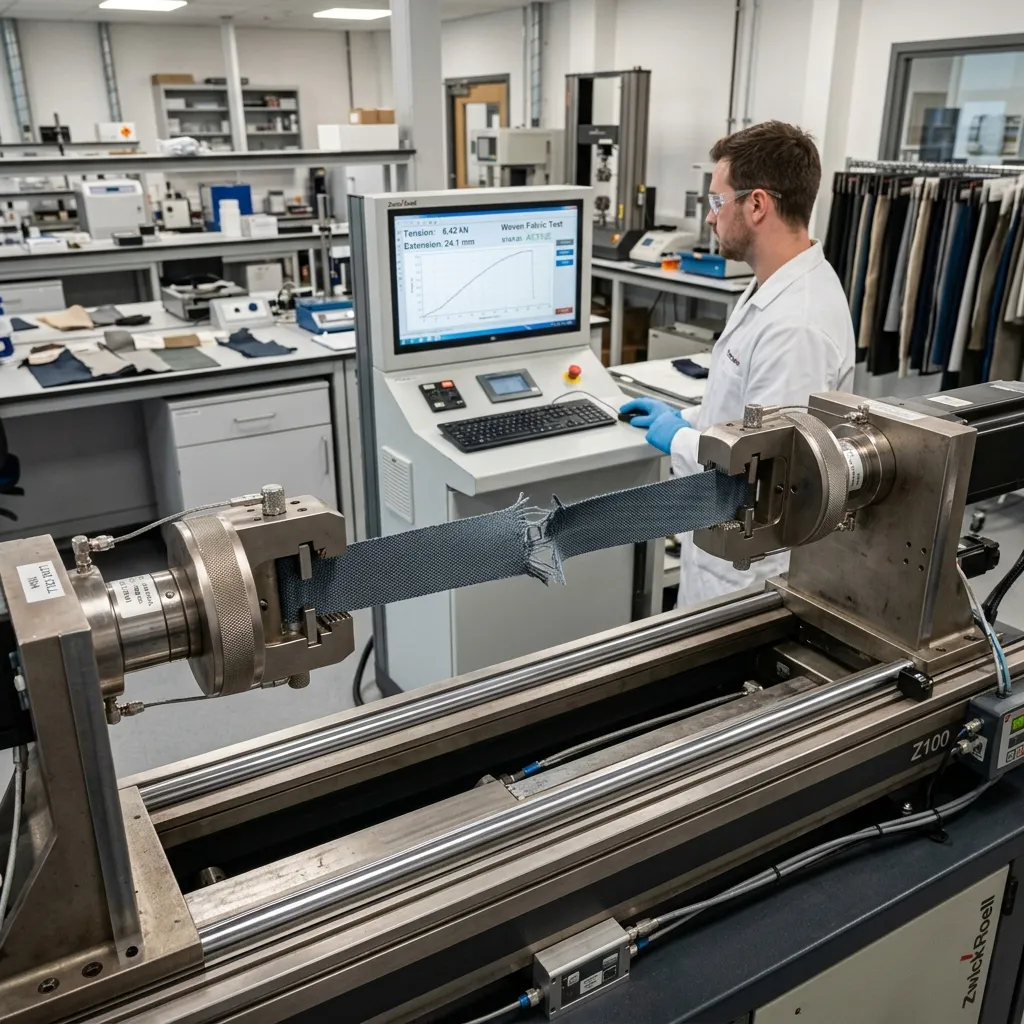
High GSM doesn't always equal high quality. The tenacity of the PP tape (measured in gf/den) determines how much load the bag can carry before snapping.
| Test Parameter | Industry Standard | Target Range |
|---|---|---|
| Tensile Strength | ASTM D5034 | 700N - 1200N |
| Elongation at Break | ISO 13934-1 | 15% - 25% |
| Dart Impact Test | ASTM D1709 | Puncture resistance |
GSM vs. Denier: The Ultimate Technical Guide to PP Woven Bag Strength
Balancing Strength and Cost
Over-engineering (specifying higher GSM than needed) is a waste of capital, while under-engineering is a risk to your cargo. To optimize costs:
The "Goldilocks" Zone
For 50kg of wheat, 70-75 GSM is the industry optimum. Going to 85 GSM adds 15% to your cost without providing meaningful additional protection for that specific weight.
Filler Usage
Some suppliers use high amounts of Calcium Carbonate (filler) to increase GSM while keeping costs low. This makes the bag heavy but brittle. Always specify "Low Filler" or "Virgin Resin" for export-grade bags.
Global Export Compliance
CIS & Russia (GOST)
Strict requirements on elongation and seam strength. GOST standards often require a higher GSM (80+) for any bag carrying chemical powders.
Middle East & Iraq (IQS)
Focus on UV resistance. Since Middle Eastern sun degrades PP rapidly, bags must have UV stabilizers (HALS) even if they have high GSM.
Technical FAQ
Does a higher Denier mean a better bag? ▼
Not necessarily. A higher Denier makes the thread thicker, but if the weave is loose (low mesh), the bag might still be weak. You must balance Denier and Mesh to reach the desired GSM and tensile strength.
How does lamination affect GSM? ▼
Lamination adds a layer of PP coating. This typically increases the total weight by 18-22 grams per square meter. It improves moisture resistance but doesn't significantly increase tensile strength.
Engineering Your Success
Choosing the right GSM and Denier is not just a technicality; it's a strategic decision. By mastering these metrics, you protect your cargo, optimize your logistics budget, and ensure that your products arrive in pristine condition, no matter the distance.
Need a technical consultation?
Our engineering team can help you design the perfect bag specification for your specific product and destination. Don't leave your export quality to chance.