Iraq remains the single most strategic export destination for Iranian Polypropylene (PP) woven bags. With its rapidly expanding agricultural sector and massive reconstruction projects, the demand for durable, high-quality packaging has reached an all-time high in 2026. For manufacturers and traders, understanding the nuances of the Iraqi market is the difference between a successful long-term partnership and a one-off transaction.
From the bustling markets of Baghdad to the industrial hubs of Basra, Iranian PP bags are the gold standard due to their proximity, competitive pricing, and technical superiority. This guide provides a roadmap for navigating the logistics, documentation, and market preferences of the Iraqi trade corridor.
1. Why Iraq is the Strategic Hub for Iranian PP Bags
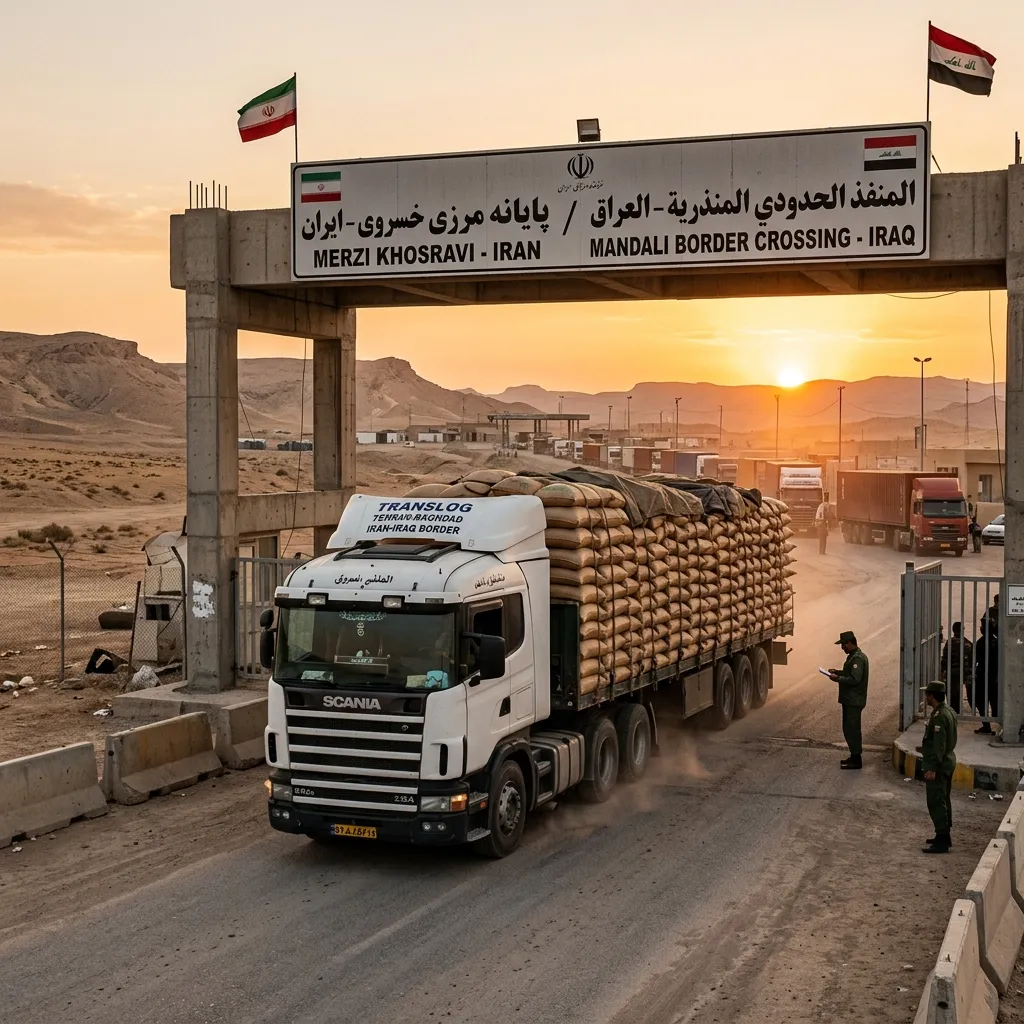
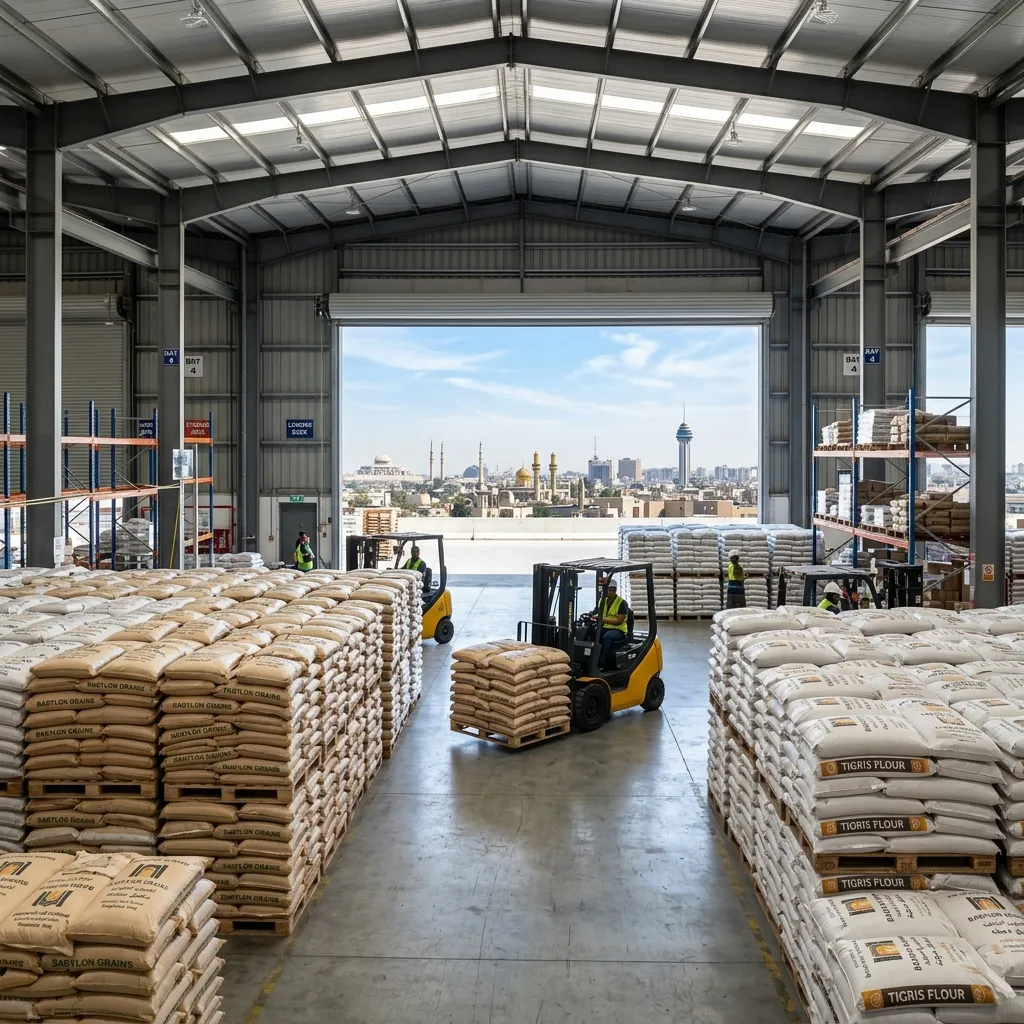
The trade relationship between Iran and Iraq in the petrochemical sector is built on three pillars: geographical proximity, cost efficiency, and cultural alignment. Iranian factories can deliver goods to Iraqi borders within 24-48 hours, a lead time that Chinese or Indian competitors simply cannot match.
Zero Lead Time
Trucks can move from Tehran or Isfahan to Baghdad in under two days, minimizing storage costs.
Competitive Pricing
Local raw material access (homopolymer PP) ensures prices are 20% lower than global averages.
Technical Alignment
Iranian standards (IS) are highly compatible with Iraqi Ministry of Trade requirements.
"Iraq imports over 80% of its industrial and agricultural packaging from Iran. The shared 1,450km border is the busiest trade artery for PP woven sacks in the Middle East."
Navigating the Iraq Market: A Comprehensive Guide to Exporting PP Woven Bags (2026)
2. Logistics & Border Crossings: Navigating the Gateway
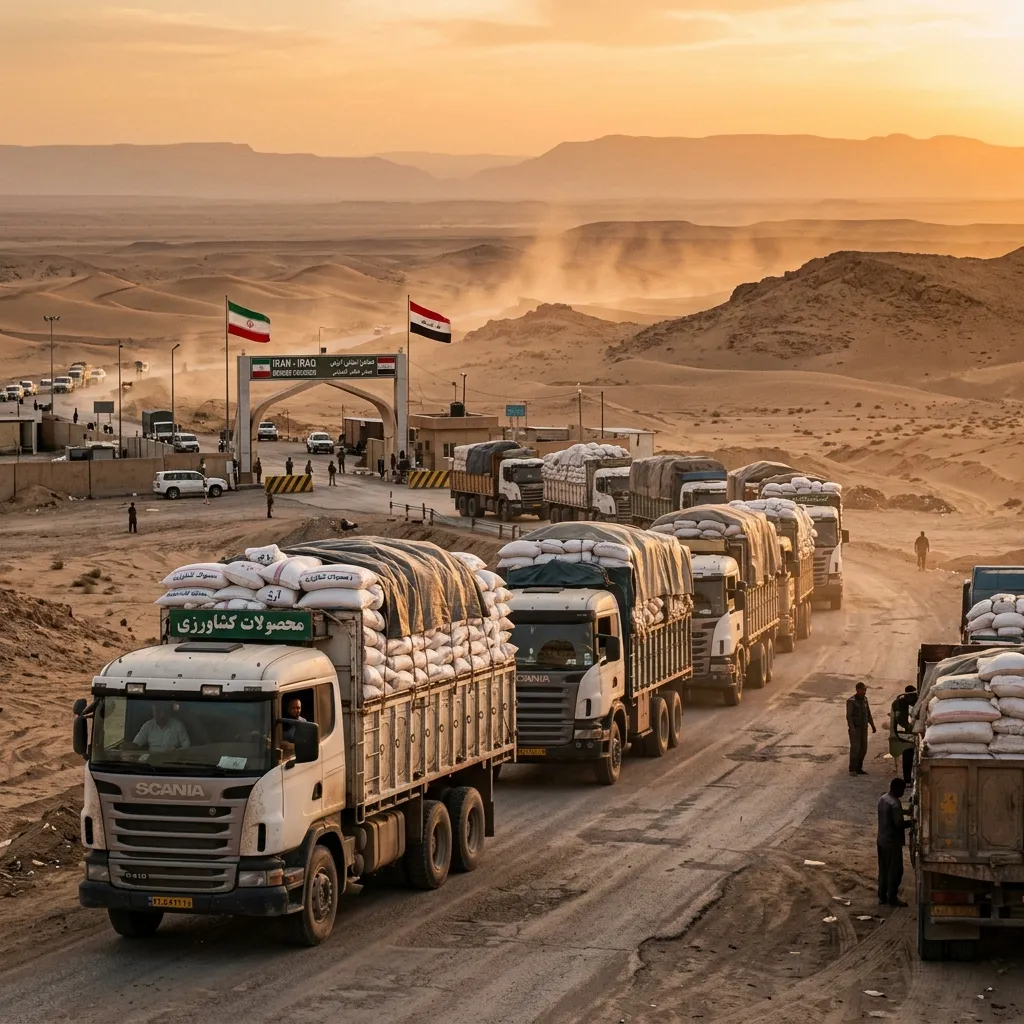
Choosing the right border crossing is critical for optimizing your logistics costs. Each terminal serves a different region of Iraq and has its own customs characteristics.
| Border Crossing | Iran Location | Target Destination | Type of Cargo |
|---|---|---|---|
| Mehran | Ilam Province | Baghdad & Central Iraq | High-volume Agricultural Bags |
| Shalamcheh | Khuzestan | Basra & South Iraq | Industrial & Construction Bags |
| Parviz Khan | Kermanshah | Kurdistan Region (KRG) | Retail & Food Packaging |
| Chazzabeh | Khuzestan | Amara & South-Central | Cement & Mineral FIBCs |
3. Customs Documentation & Compliance Requirements
Iraqi customs authorities (COSQC) have strict requirements for industrial packaging. Failure to provide the correct documentation can lead to heavy fines or the rejection of the entire shipment at the border.
📋 Mandatory Documents
- • Certificate of Origin (CO): Verified by the Iranian Chamber of Commerce.
- • Commercial Invoice: Must state the H.S. Code for PP bags (392329).
- • Packing List: Detailed weight and quantity per bundle.
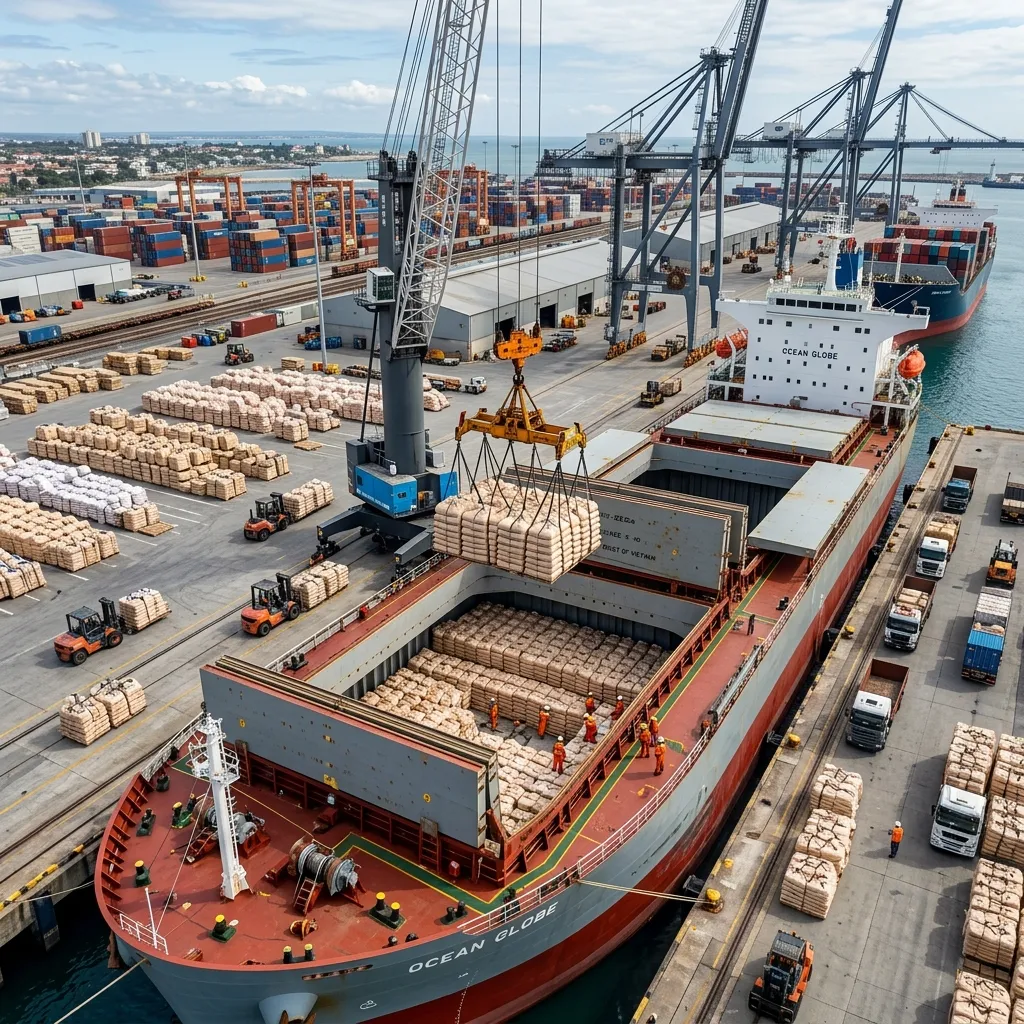
- • Bill of Lading: For sea shipments via Umm Qasr.
🛡️ Technical Certifications
- • ISO 9001:2015: Evidence of manufacturing quality.
- • CoC (Certificate of Conformity): Required for government tenders.
- • Food-Grade Certs: Mandatory for sugar, rice, and flour bags.
- • SGS Inspection: Often requested for large private contracts.
Navigating the Iraq Market: A Comprehensive Guide to Exporting PP Woven Bags (2026)
4. Market Segmentation: What Iraqi Buyers Demand
The Iraqi market is divided into four main sectors, each with its own specific requirements for PP woven bags:
🌾 Agricultural Sector
High demand for 50kg wheat and barley sacks. Standard white, 65-75 GSM, UV-treated for outdoor storage in hot climates.
🏗️ Construction Hubs
Valve bags for cement (AD*STAR type) and heavy-duty FIBCs for sand and minerals. High GSM (90+) is mandatory.
🍚 Food & Retail
Premium BOPP laminated bags for Basmati rice and flour. Requires high-resolution rotogravure printing up to 8 colors.
⚗️ Fertilizer & Chemicals
Bags with PE inner liners to prevent moisture. Used extensively for Urea and DAP fertilizers in central Iraq provinces.
5. Financial Procedures & Payment Security
Navigating financial transactions is often the most challenging part of Iraq trade. While banking ties are improving, most transactions still rely on established trust mechanisms and exchange houses (Sarafi).
Common Payment Methods
-
01
Currency: IQD vs. USD
Most contracts are settled in USD, but recent Iraqi Central Bank regulations are pushing for local currency (IQD) for domestic clearing.
-
02
Cash at Border
Common for small-to-medium traders. Payment is released upon the truck crossing the customs gate.
-
03
Exchange Houses (Sarafi)
The primary channel for large-scale transfers. Funds are deposited in Baghdad/Basra and collected in Tehran/Dubai.
Navigating the Iraq Market: A Comprehensive Guide to Exporting PP Woven Bags (2026)
6. Technical Specs for the Iraqi Climate
Iraq's extreme heat (reaching 50°C+ in summer) and high UV index require specific technical adjustments to the PP fabric. Standard bags will fail within weeks if not properly formulated.
| Parameter | Requirement | Why it matters |
|---|---|---|
| UV Stabilizer | Min. 200 - 400 Hours | Prevents brittleness under the harsh Iraqi sun. |
| Anti-Slip Coating | Recommended | Prevents pallet slippage during rough transit on Iraqi roads. |
| Fabric GSM | 70g - 110g | Ensures the bag doesn't burst during multi-layer stacking. |
| Tape Strength | High Tenacity | Crucial for automated filling lines in Iraqi factories. |
7. Future Outlook: Iraq Trade in 2026
The "Development Road" project connecting Iraq's Al-Faw port to the Turkish border is set to transform Iraq into a regional logistics hub. For the PP bag industry, this means increased transit demand and new opportunities for high-end packaging in the northern provinces.
"By late 2026, we expect a 15% increase in demand for BOPP laminated bags as Iraqi consumers shift towards branded retail products in supermarkets, moving away from bulk wholesale markets."
8. FAQ: Exporting to Iraq
Which border is fastest for Baghdad?
▼
Are Arabic labels mandatory?
▼
What is the typical MOQ for Iraq export?
▼
How to handle currency fluctuations?
▼
Conclusion: Partnering for Success
Exporting PP bags to Iraq is a lucrative but demanding endeavor. Success requires more than just a quality product; it requires a deep understanding of border logistics, customs compliance, and the unique technical requirements of the Iraqi climate.
By partnering with a manufacturer that understands these nuances, you can ensure that your cargo reaches its destination safely, legally, and cost-effectively, positioning your brand at the forefront of Iraq's industrial growth.