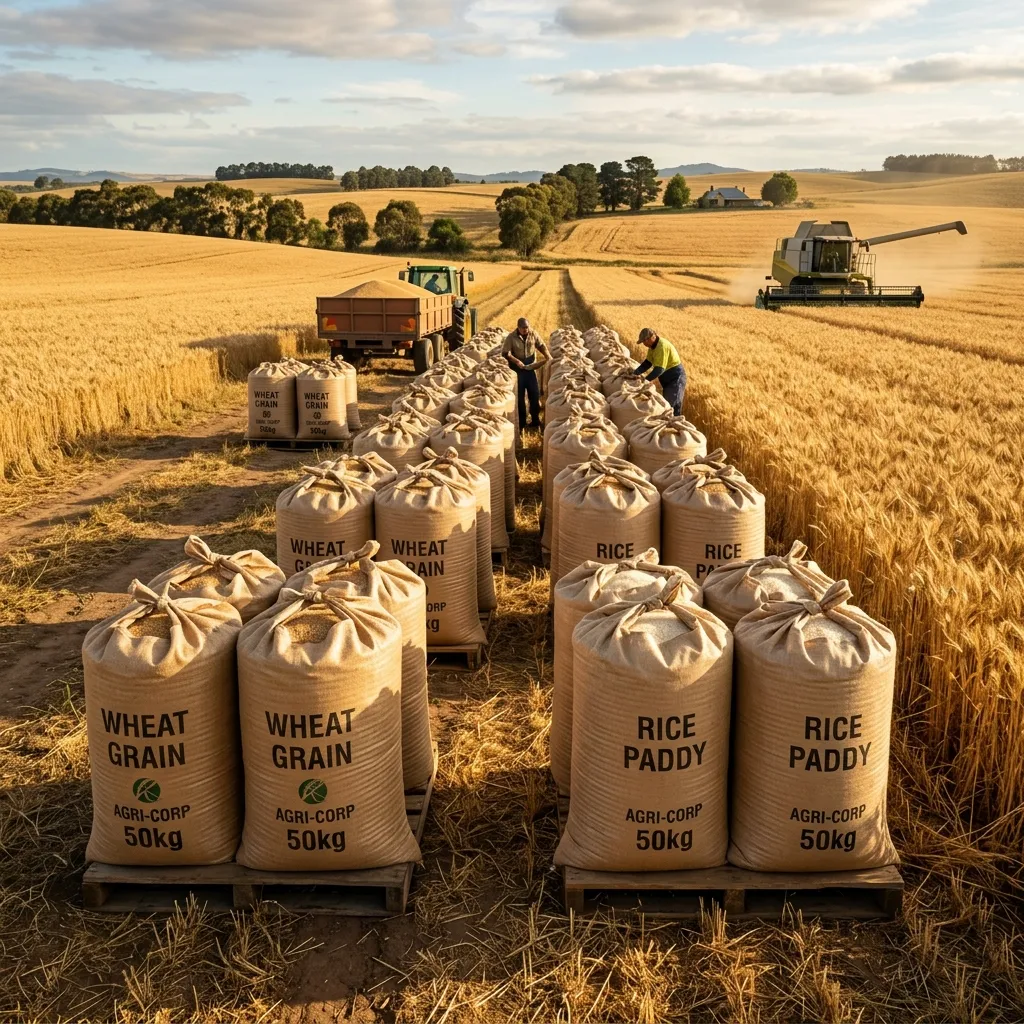
In the global agricultural supply chain, packaging is far more than just a logistical necessity. It is the final and most critical protective shield that ensures the hard-earned harvest from the field reaches the consumer's table in pristine condition. Whether you are managing a massive wheat harvest in the plains of Central Asia, exporting premium aromatic rice to the Middle East, or distributing vital agrochemicals and fertilizers globally, your choice of packaging directly dictates your profitability.
Polypropylene (PP) woven bags have revolutionized agricultural logistics. By offering an unmatched combination of tensile strength, lightweight design, and customizable barrier properties, PP bags have completely replaced traditional jute and paper alternatives. This definitive guide will take you deep into the technical, commercial, and logistical aspects of agricultural packaging.
The Science of Crop Preservation
To understand why different agricultural products require vastly different bags, we must first understand the biology and chemistry of the products themselves. Agricultural commodities are not inert blocks of plastic or steel; they are biological entities that react continuously with their environment.
Respiration
Grains like wheat and barley continue to respire after harvest, consuming oxygen and releasing carbon dioxide, heat, and water vapor. If trapped, this moisture leads directly to mold and mycotoxin development.
Hygroscopy
Products like milled rice, sugar, and fertilizers actively absorb moisture from the surrounding air. In high-humidity environments or during sea transit, they require an absolute barrier to prevent clumping and spoilage.
Photodegradation
Both the agricultural product and the PP bag itself are susceptible to UV radiation. Prolonged exposure to sunlight weakens the bag's tensile strength and can degrade the nutritional value of animal feeds.
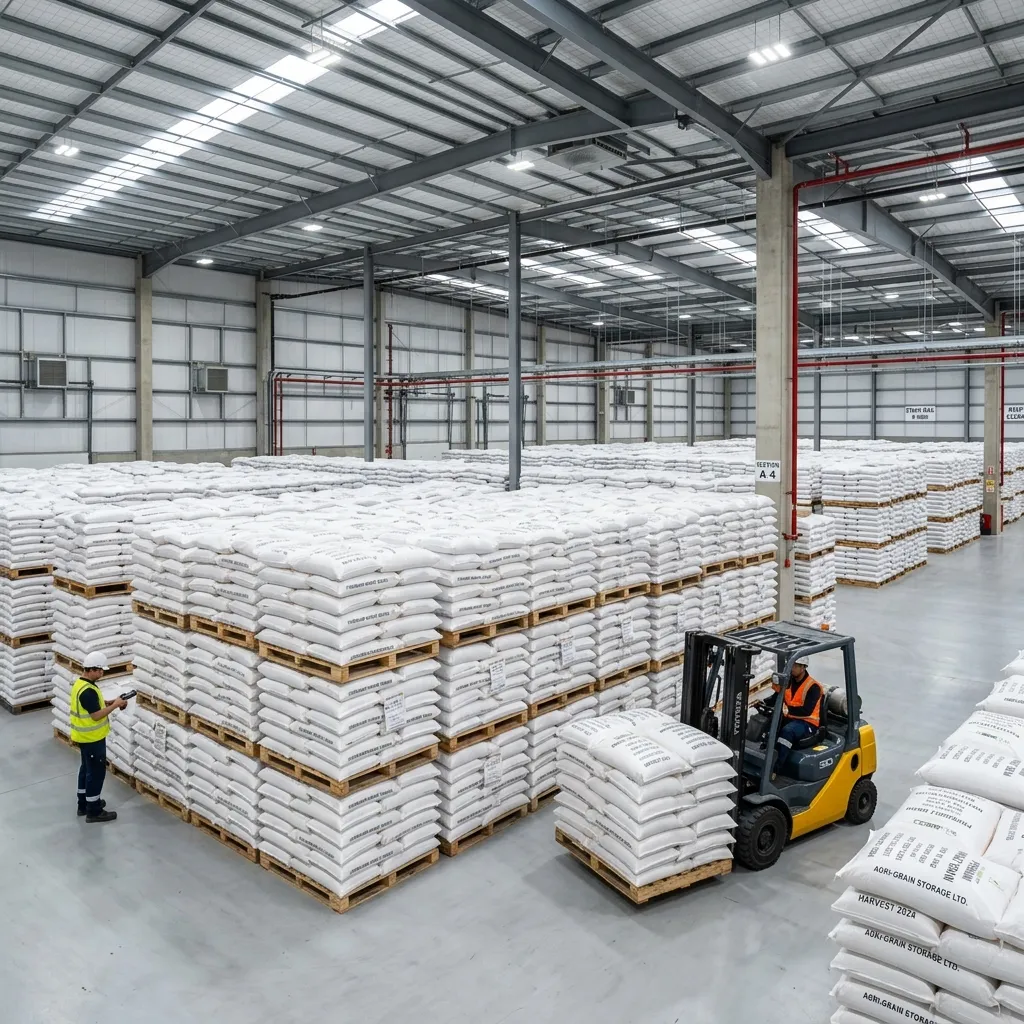
The Complete and Definitive Guide to Agricultural Packaging: PP Woven Bags for Wheat, Rice, Fertilizers, and Feed
Wheat & Grain Packaging: The Need to Breathe
Wheat is the cornerstone of global food security. When packaging wheat, the single most critical factor is preventing the accumulation of moisture. Because wheat kernels respire, packaging them in a hermetically sealed bag (like PE-lined or heavily laminated bags) creates a greenhouse effect inside the sack. The temperature rises, moisture condenses on the inner walls, and within days, fungal growth begins.
🌾 The Perfect Wheat Bag Specification
Material
Standard uncoated PP woven fabric. The natural micro-gaps between the warp and weft tapes provide perfect ventilation.
Fabric Weight (GSM)
65g to 75g per square meter. This provides the optimal balance between tear resistance and cost-effectiveness for standard 50kg loads.
Mesh Count
Typically 10×10 or 11×11 per square inch. Tight enough to prevent grain sifting, loose enough to allow air exchange.
Bottom Seam
Double-folded, double-stitched. Grain bags undergo severe drop shocks during manual loading and unloading.
Government Silos and Tenders: If you are supplying wheat to government silos in Iraq or the CIS, they will have strict tender requirements. Our bags meet all IQS (Iraqi Quality Standards) for government grain purchases, specifically passing the mandatory drop tests and UV degradation thresholds.
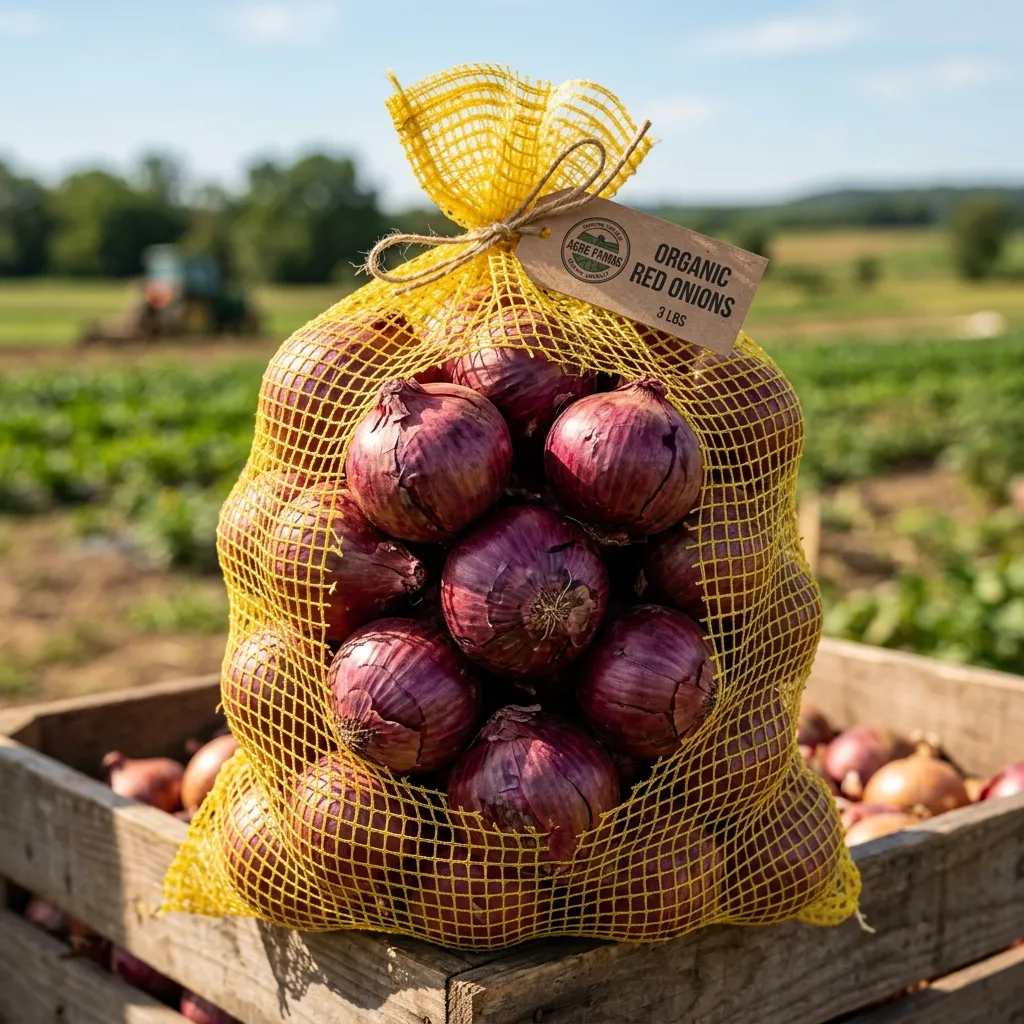
Rice Packaging: Moisture Defense and Retail Branding
Rice packaging is a completely different engineering challenge compared to wheat. Milled white rice has had its protective bran layer removed. It is highly sensitive to humidity, absorbs foreign odors quickly, and is heavily marketed directly to consumers. Therefore, rice packaging serves a dual purpose: extreme protection and premium marketing.
The BOPP Advantage for Rice
Biaxially Oriented Polypropylene (BOPP) lamination is the gold standard for rice export. By bonding a reverse-printed BOPP film to the PP woven fabric, we create a bag with superpowers.
- 💧 100% Moisture Barrier: Locks out humidity, preventing clumping.
- 👃 Aroma Retention: Crucial for premium Basmati and Jasmine varieties.
- 🎨 Photographic Printing: High-resolution rotogravure printing up to 10 colors.
- 🐜 Pest Resistance: The smooth surface makes it difficult for insects to penetrate.
Standard Rice Formats
The Complete and Definitive Guide to Agricultural Packaging: PP Woven Bags for Wheat, Rice, Fertilizers, and Feed
Fertilizer & Agrochemicals: Engineered for Extremes
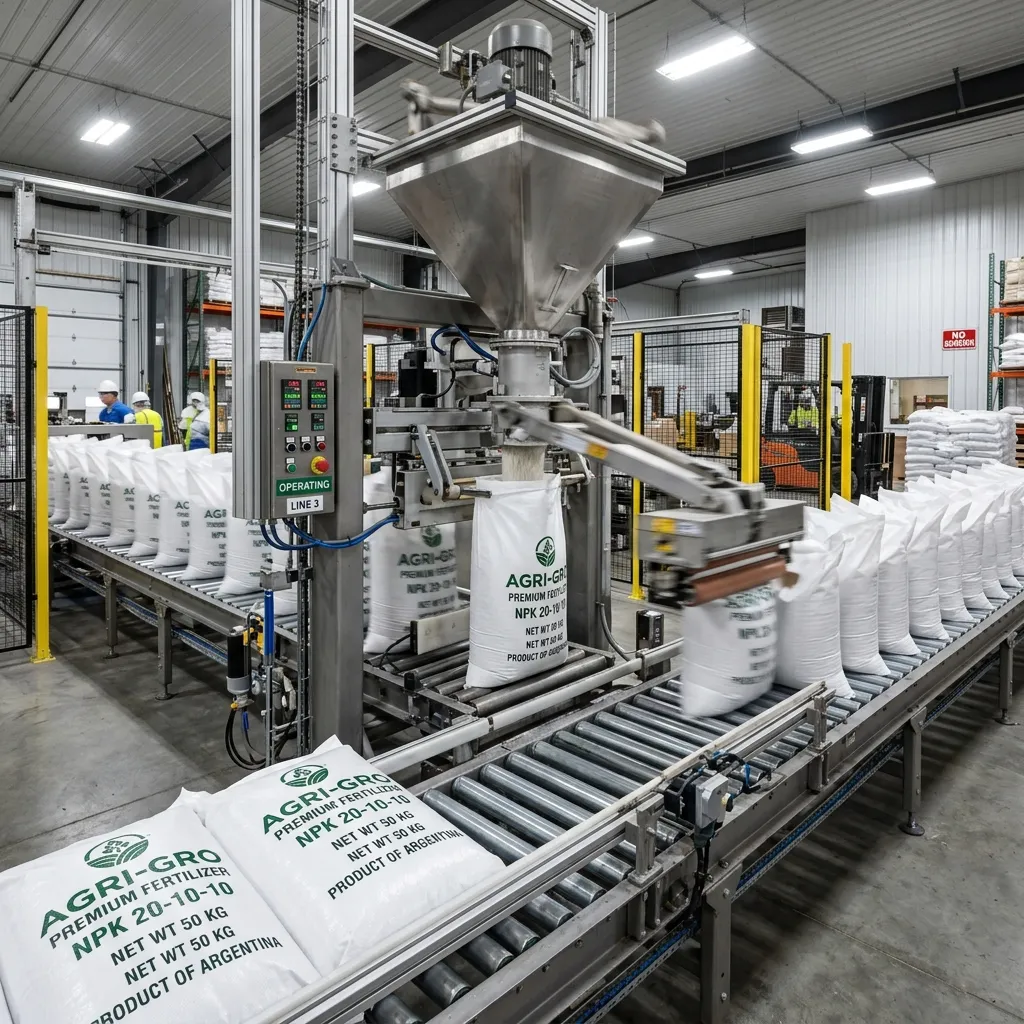
Agricultural fertilizers like Urea, DAP (Diammonium Phosphate), and complex NPK blends present the harshest environment for any packaging. They are aggressive, highly corrosive to organic materials, and extremely deliquescent (they absorb moisture from the air until they dissolve). Packaging these chemicals requires heavy-duty engineering.
| Structural Requirement | Engineering Solution | Consequence of Failure |
|---|---|---|
| Absolute Moisture Barrier | Inner Polyethylene (PE) Liner (40-100 microns). | Fertilizer absorbs ambient humidity and cures into a solid, unusable rock. |
| High Burst Strength | High GSM Fabric (80g to 110g) with high-tenacity tapes. | Bags burst at the bottom of pallets under the extreme weight of dense chemical powders. |
| Pallet Stability | Anti-slip weave patterns or specialized slip-resistant coatings. | Slick plastic bags slide off each other, causing pallet collapse during forklift transit. |
| Outdoor Durability | Maximum HALS UV Stabilization (up to 1600 hours). | Fabric becomes brittle and disintegrates after weeks in the sun at open-air farm depots. |
Liner Configurations
PE liners for fertilizers can be configured in several ways. A loose liner is simply inserted into the PP bag. A cuffed liner is folded over the top edge and sewn along with the bottom, ensuring it doesn't collapse during automated filling. The choice depends entirely on your filling line machinery (manual vs. automated spouts).
Animal Feed, Seeds, and Pulses
🐄 Animal Feed
Poultry, cattle, and aquaculture feeds require robust packaging that protects against pests and moisture while remaining highly cost-effective.
- ✓ Often uses BOPP lamination to display nutritional charts and brand graphics vividly.
- ✓ Requires high fat/oil resistance for certain aquaculture feeds.
- ✓ Typically packed in 25kg or 50kg gusseted bags for stable stacking in barns.
🌿 Seeds & Pulses
Alfalfa seeds, beans, lentils, and chickpeas are high-value commodities packed in smaller volumes but requiring precise fabric engineering.
- ✓ High mesh density (12×12 or 14×14) to prevent small seeds from sifting through the weave.
- ✓ Smaller bag formats (10kg, 25kg) for easier handling.
- ✓ Breathability is essential to maintain seed viability (germination rate).
The Complete and Definitive Guide to Agricultural Packaging: PP Woven Bags for Wheat, Rice, Fertilizers, and Feed
Mastering Technical Specifications
Procurement managers often rely on arbitrary specifications when ordering packaging. However, understanding the exact relationship between GSM, Denier, and Mesh Count allows you to optimize your costs without sacrificing safety.
The Relationship Between GSM, Denier, and Mesh Count
GSM (Grams per Square Meter): This is the total weight of the fabric. A higher GSM generally means a thicker, stronger bag. Agricultural bags typically range from 55g (very light) to 90g (heavy duty).
Denier: This measures the thickness of the individual plastic tapes before they are woven. It is defined as the weight in grams of 9,000 meters of the tape. Common deniers are 700D to 1000D.
Mesh Count: The number of tapes per square inch (e.g., 10×10 means 10 vertical tapes and 10 horizontal tapes per inch).
Deep Dive: UV Stabilization (HALS)
Standard polypropylene degrades rapidly under sunlight. The polymer chains break down due to photo-oxidation, turning a strong bag into brittle flakes within 4 weeks. In agriculture, where bags are often left in fields or open-air depots, this is disastrous.
We utilize Hindered Amine Light Stabilizers (HALS) in our masterbatch. Instead of just absorbing UV light, HALS actively neutralizes the free radicals created by UV exposure, halting the chemical breakdown of the plastic. When ordering for the Middle East or Africa, always specify the required UV retention rate (e.g., "Must retain 70% of tensile strength after 400 hours of UV-B exposure according to ASTM G154").
Global Export Standards & Quality Assurance
Exporting agricultural products requires packaging that passes rigorous customs and health inspections at the destination port. Non-compliant packaging leads to cargo rejection, delays, and immense financial losses.
ISO 22000 (Food Safety)
Crucial for rice, sugar, and flour. Ensures the bags are manufactured in a clean-room environment using food-safe, virgin polymers and FDA-approved inks.
Migration Testing
Mandatory for the EU and CIS. Proves that no harmful plasticizers or ink chemicals migrate from the bag into the food product.
Drop Test Certification
Bags are dropped from 1.2 meters multiple times to ensure the seams and fabric will survive rough manual handling at destination ports.
Certificate of Origin
Provided by the Chamber of Commerce, essential for securing favorable tariff rates when importing into Iraq, Russia, and Central Asia.
Environmental Impact & Sustainability
Agriculture is inherently tied to environmental stewardship. The shift toward sustainable packaging is accelerating. Fortunately, Polypropylene (Resin Identification Code #5) is highly sustainable compared to alternatives.
-
1100% Recyclable: PP woven bags can be melted down and repurposed into secondary plastic goods, auto parts, or even new industrial bags.
-
2Reusability: Unlike paper sacks that tear after one use, a quality agricultural PP bag can be reused up to 5 times by farmers for secondary storage or sandbags.
-
3Low Carbon Footprint: The energy required to extrude and weave PP bags is significantly lower than the energy required to manufacture multi-wall kraft paper bags.
The Manufacturing Process: From Resin to Farm
Understanding how agricultural packaging is made empowers you to make better purchasing decisions and ask the right questions when evaluating suppliers. The journey from crude oil derivatives to high-performance woven fabric involves sophisticated engineering.
Extrusion & Tape Stretching
Virgin PP homopolymer granules are mixed with masterbatch (calcium carbonate filler, color pigments, and crucial UV stabilizers). This mixture is melted at over 240°C and extruded into a thin, continuous film. The film is immediately slit into narrow tapes (typically 2-3mm wide). These tapes run through a heated oven where they are stretched up to 6 times their original length. This stretching aligns the polymer chains, dramatically increasing their tensile strength (tenacity).
Circular Weaving
The stretched tapes are wound onto hundreds of bobbins. These bobbins are loaded onto massive circular looms. High-speed shuttles weave the weft (horizontal) tapes around the warp (vertical) tapes, creating a continuous seamless tubular fabric. The density of this weave (the mesh count) is adjusted based on whether the bag needs to hold large wheat kernels or fine flour.
Lamination & Coating (Optional)
For rice and fertilizer bags requiring moisture barriers, the tubular fabric passes through an extrusion coating machine. A thin layer of molten polyethylene (PE) or polypropylene (PP) is applied to the fabric surface. If creating premium rice bags, a pre-printed BOPP film is bonded to the fabric during this stage using the hot polymer melt as an adhesive.
Printing (For Non-Laminated Bags)
If the bags are standard woven wheat bags, they are sent to a flexographic printing press. Flexible rubber plates transfer food-safe ink directly onto the textured woven surface. Modern flexo presses can print up to 4-6 colors, perfect for displaying farm logos, batch numbers, and crop details.
Cutting, Sewing & QC
The continuous roll is cut to exact specifications using hot knives (which simultaneously seal the tape ends to prevent fraying). The bottoms are folded over and sewn—usually double-stitched for heavy agricultural loads. Finally, inner PE liners are inserted (if required), and the bags undergo random burst and drop tests before being baled for export.
The Anatomy of a Bag: Closures and Bottoms
When an agricultural bag fails, it rarely fails in the middle of the fabric. It almost always bursts at the seams. Understanding the right closure types is essential for preventing spillage.
Standard Seam
Suitable for lightweight loads (under 25kg) and non-sifting products. The most economical option but vulnerable to high-impact drops.
Heavy-Duty Seam
The industry standard for 50kg wheat, rice, and fertilizer bags. The fabric is folded twice to prevent tape fraying, then stitched with two parallel rows of high-tenacity thread.
Block Bottom (Valve)
Square bottom shape. Extremely stable on pallets. Commonly used with an integrated valve for high-speed automated filling lines, predominantly seen in chemical fertilizers.
Top 5 Mistakes Importers Make
1. Ordering High GSM Instead of High Tenacity
Many buyers think a heavier bag is a stronger bag. This is false. A bag made with cheap, recycled plastic filler (Calcium Carbonate) will have a high GSM but will snap under tension. Always ask for virgin polymer with low filler content.
2. Ignoring UV Protection for Middle East Transit
A container stuck at a port under 50°C sun for two weeks will destroy non-UV treated bags. The bags will literally turn to dust when lifted. HALS stabilization is non-negotiable for exports to hot climates.
3. Using Laminated Bags for Fresh Harvests
As discussed, trapping respiring grains in waterproof bags causes total crop failure. Never use BOPP or PE-coated bags for freshly harvested wheat or corn.
4. Incorrect Bag Dimensions for Palletizing
Ordering bags that are too wide leads to "overhang" on standard pallets. This destroys the structural integrity of the pallet load and leads to tipping inside shipping containers.
5. Overlooking Food Grade Certifications
Customs in Europe, Russia, and increasingly the Gulf states will confiscate shipments if the packaging lacks proper food safety migration certificates. Always verify your manufacturing partner's ISO 22000 status.
Innovations in Agricultural Packaging
The packaging industry is not stagnant. New technologies are constantly emerging to solve age-old agricultural problems like pest infestation, counterfeit seeds, and long-term grain storage in tropical climates.
🦠 Antimicrobial & Pest-Resistant Weaves
Weevils, rodents, and fungi destroy millions of tons of stored grain annually. Modern PP bags can now be extruded with specialized masterbatches that contain natural deterrents (like neem extract derivatives) or safe, food-grade antimicrobial agents that inhibit the growth of Aspergillus (the mold responsible for aflatoxins).
🔍 Anti-Counterfeiting Tech
High-value agricultural inputs like premium seeds, specialty fertilizers, and branded rice are prime targets for counterfeiting. We integrate covert and overt security features directly into the packaging. This includes invisible UV-reactive ink printing, micro-text on BOPP lamination, and unique QR codes for supply chain tracking.
Global Logistics: From Factory to Farm
A high-quality bag is useless if it is damaged during shipping. Understanding the logistics of empty bag transportation helps importers optimize their freight costs and reduce landed prices.
Hydraulic Baling
Empty PP woven bags are incredibly voluminous. Shipping them loosely would mean paying to transport air. We use heavy-duty hydraulic baling presses to compress the bags under massive pressure.
- A Standard Bale: Usually contains 500 or 1,000 bags (depending on GSM and lamination).
- B Protection: Each bale is wrapped in an outer protective PP fabric shell and strapped tightly.
- C Container Yield: A standard 40ft High Cube container can hold approximately 400,000 to 500,000 standard 50kg wheat bags.
Understanding Bag Testing Methodologies
When importing agricultural packaging, you must be able to verify the quality of what you are buying. Below are the standard testing methodologies employed in the production facilities we partner with to guarantee zero failures in the field.
1. Tensile Strength Test
Method: ASTM D5034
We cut a 5cm wide strip of the woven fabric and place it in a computerized tensiometer. The machine pulls the fabric apart until it tears. A standard 70 GSM bag should withstand at least 800-900 Newtons of force in both the warp and weft directions.
2. Drop Impact Test
Method: ISO 7965-2
The bag is filled with 50kg of material (simulating the actual agricultural product). It is then dropped from a height of 1.2 meters (about 4 feet) repeatedly onto a hard concrete surface. The bag must survive 6 to 10 consecutive drops on various sides and seams without bursting.
3. Accelerated Weathering Test
Method: ASTM G154
Fabric samples are placed inside a UV weathering chamber where they are subjected to intense, concentrated ultraviolet light and alternating condensation cycles. This simulates months of extreme Middle Eastern sun exposure in just a few days to verify the HALS UV stabilizer effectiveness.
4. Slip & Friction Test
Method: ASTM D1894
Important for fertilizer and animal feed bags. This test measures the coefficient of friction (COF) of the bag's surface. It ensures that when bags are stacked 10 layers high on a pallet, the top bags won't slide off during sudden truck braking or forklift movements.
Frequently Asked Questions
Can I use a BOPP laminated bag for wheat? +
What is the best thickness (GSM) for a 50kg rice bag? +
Are your bags food-grade certified? +
Do I need a PE liner for fertilizer bags? +
How do I choose the right size for my product? +
What is the minimum order quantity (MOQ) for custom printed bags? +
Can I use transparent PP bags for my agricultural products? +
How do we handle customs documentation for importing to the CIS? +
Do you offer flexitanks or FIBC bulk bags for liquid agriculture products? +
What happens if my shipment has defective bags? +
Partnering with SherkatTrade for Export Success
Agricultural packaging is a precise science. The difference between a successful export shipment and a devastating cargo rejection often comes down to the quality of the bag. From ensuring the perfect breathability for wheat to engineering the ultimate moisture barrier for premium rice, technical precision matters.
At SherkatTrade, we leverage Iran's massive petrochemical advantages to produce world-class PP woven packaging at highly competitive prices. We supply massive government tenders, international aid organizations, and private agricultural conglomerates across the Middle East, CIS, and Africa.
Secure Your Harvest with Premium Packaging
Stop gambling with inferior sacks. Get a free technical consultation, custom samples, and a highly competitive CIF/FOB quote today.
Simple Ordering Process
- 1 Send Requirements
- 2 Approve Artwork
- 3 Production & QC
- 4 Global Delivery