
The construction industry is one of the most demanding sectors in the world when it comes to packaging. Unlike food or agricultural products, construction materials like cement, sand, gypsum, and aggregates are heavy, dense, dusty, and highly abrasive. Polypropylene (PP) woven bags have emerged as the absolute backbone of construction logistics, providing unparalleled strength, moisture resistance, and cost-efficiency. In this comprehensive guide, we explore the critical specifications, manufacturing technologies, and export standards that make PP woven bags indispensable for modern building and infrastructure projects worldwide.
Whether you are managing procurement for a massive infrastructure project in Iraq, distributing cement across the CIS region, or supplying hardware stores in Central Asia, choosing the right packaging is just as critical as the material itself. We have structured this guide to be your ultimate resource for making informed purchasing decisions for construction-grade PP bags.
What Are Construction-Grade PP Woven Bags?
Construction-grade PP woven bags are specialized industrial packaging solutions engineered specifically to handle the extreme physical stresses of the building materials supply chain. While they are made from the same base thermoplastic polymer—polypropylene—as standard agricultural bags, their construction, fabric density, and finishing processes are drastically different.
The typical construction material, such as Portland cement or dry mortar mix, presents unique challenges: it is a fine powder that easily sifts through standard weaves, it is highly sensitive to moisture (hydration ruins the product), and it is filled into bags at extremely high speeds (often exceeding 4,000 bags per hour on automated rotary packers). To overcome these challenges, the PP woven fabric must be laminated, micro-perforated, and formed into specialized shapes like the block-bottom valve bag.
"A standard 50kg cement bag must endure drops from conveyor belts, stacking up to 10 layers high on pallets, and rough handling at the construction site. It is not just a bag; it is a highly engineered containment vessel."
The Shift from Multi-Wall Paper to PP Woven
Historically, the cement industry relied heavily on multi-wall Kraft paper sacks. However, over the past two decades, there has been a massive global shift towards Polypropylene (PP) woven bags, particularly in the Middle East, Africa, and Asia. Here is why:
| Feature | PP Woven Block-Bottom Bags | Multi-Wall Paper Sacks |
|---|---|---|
| Breakage Rate During Transport | < 1% (Highly resilient to drops) | 3% - 5% (Prone to bursting) |
| Moisture Resistance | Excellent (PE lamination acts as a barrier) | Poor (Paper absorbs humidity rapidly) |
| Cost Effectiveness | Highly Economical (Lighter weight, cheaper raw materials) | Expensive (Requires high-grade virgin pulp) |
| Open-Air Storage Suitability | Yes (With UV stabilizers added) | No (Fails in rain or high humidity) |
Types of PP Bags Used in Construction
Block-Bottom Valve Bags (AD*STAR)
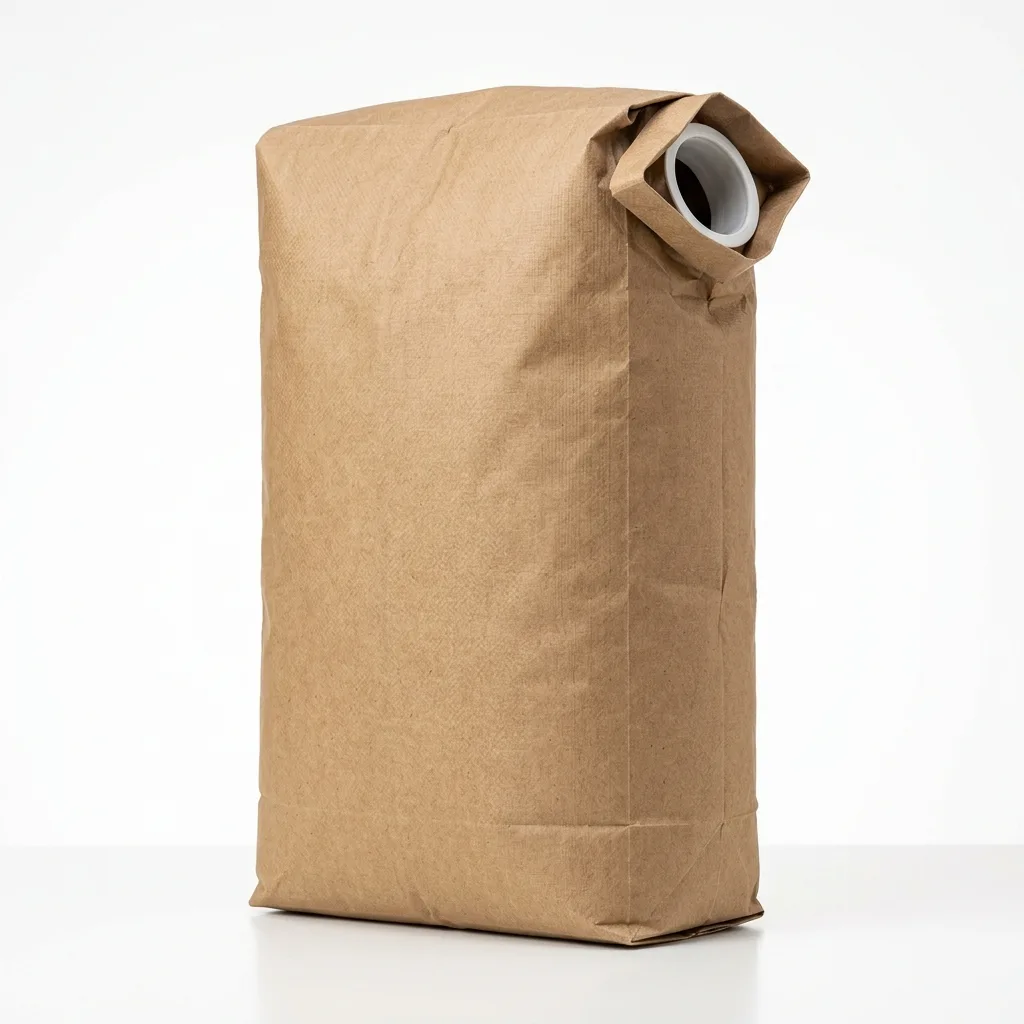
The gold standard for automated cement packing. They are shaped like a brick for perfect palletization, feature a self-closing valve, and are heat-welded rather than sewn to eliminate sift leakage.
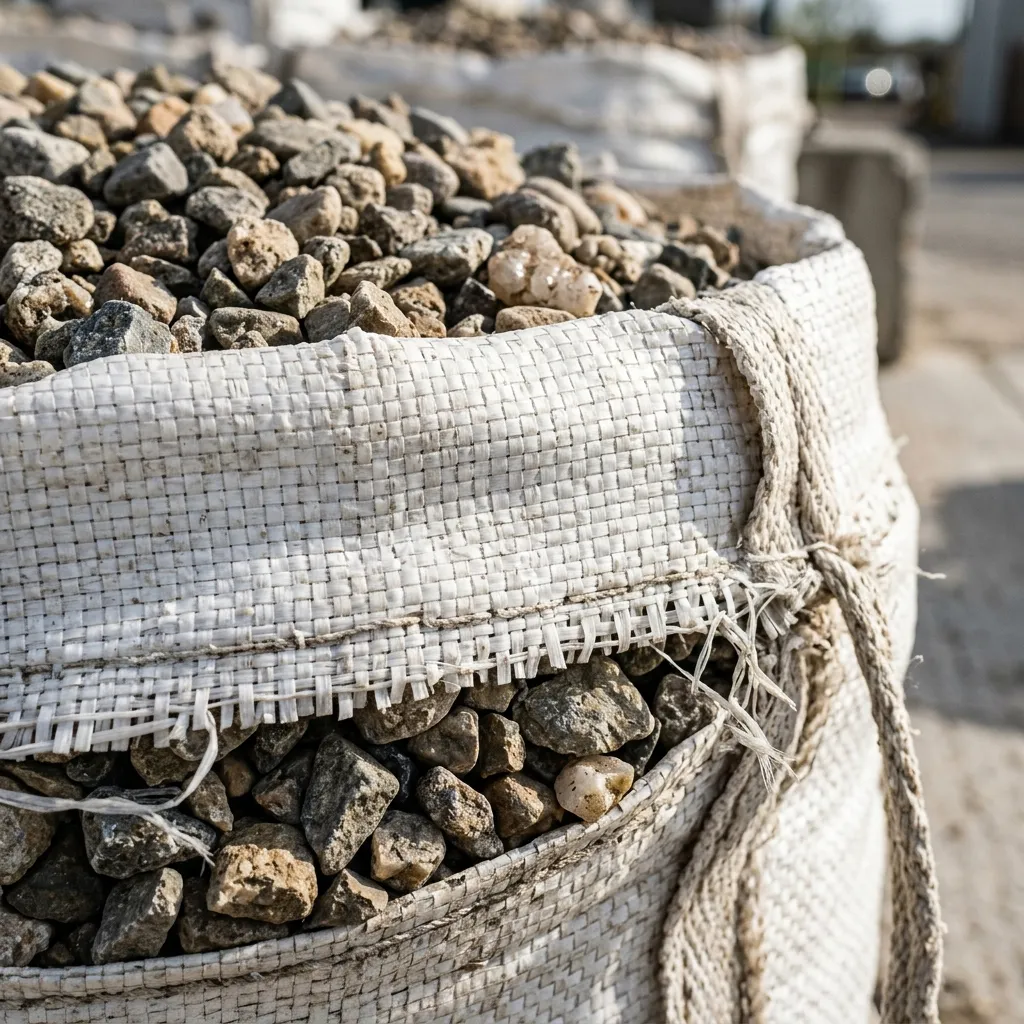
Heavy-Duty Sandbags
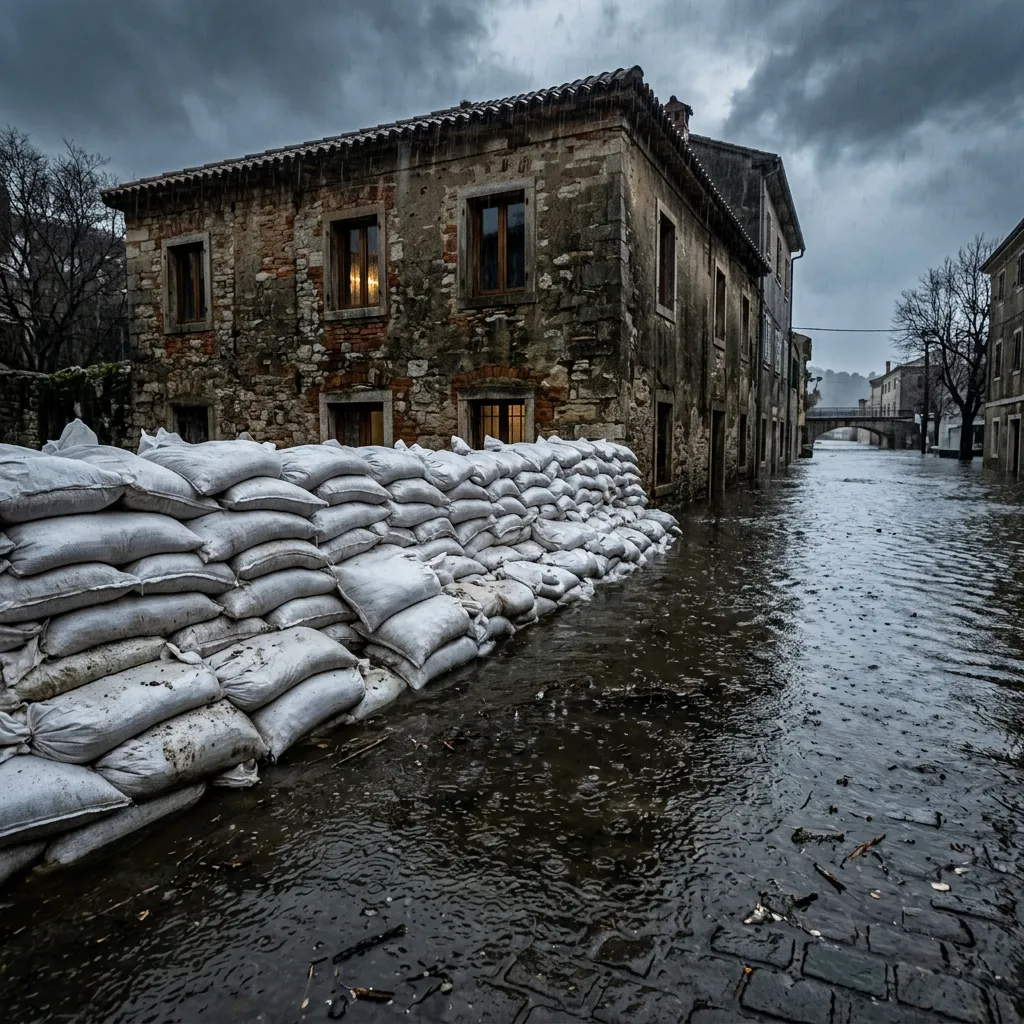
Thick, open-mouth bags designed to hold heavy aggregates, sand, and gravel. Usually treated with maximum UV inhibitors as they are often left exposed to sunlight on job sites for weeks.
FIBC / Jumbo Bags (1-Ton)
Massive bulk containers equipped with lifting loops for cranes and forklifts. Used for moving large volumes of raw materials like limestone, fly ash, and bulk sand across large sites.
Technical Specifications for Construction Sacks
When procuring bags for the building sector, standard agricultural specs are insufficient. Construction materials exert immense outward pressure and require robust barrier properties. Here are the critical technical parameters:
| Parameter | Standard Requirement | Importance in Construction |
|---|---|---|
| Fabric GSM | 75g – 120g (depending on load) | High density is required to prevent bursting under the high specific gravity of materials like sand or cement. |
| Lamination (PE Coating) | 15 – 25 microns (Inner or Outer) | Absolutely essential for cement, gypsum, and plaster to prevent moisture ingress and subsequent hardening of the product. |
| Micro-perforation | Specific hole size and density | Allows trapped air to escape during high-speed filling on rotary packers without allowing fine cement dust to blow out. |
| UV Stabilization | 400 – 1000 hours protection | Crucial for sandbags and aggregates that sit outdoors on job sites exposed to harsh Middle Eastern sunlight. |
The Ingenuity of the Block-Bottom Valve Bag
The AD*STAR style block-bottom valve bag is a marvel of modern packaging engineering. Unlike open-mouth bags that must be manually stitched shut after filling, the valve bag features a small opening in one corner.
The filling spout is inserted into this valve. As the bag fills rapidly, the internal pressure of the powder pushes against an internal fabric flap. Once the spout is removed, this internal pressure snaps the flap shut, instantly and hermetically sealing the bag without any human intervention or sewing machinery. This allows rotary packers to operate at blinding speeds, filling thousands of 50kg bags per hour.
Welding vs. Sewing
Traditional PP bags are closed using heavy polyester thread. However, the needle punctures create hundreds of tiny holes where ultra-fine cement dust can escape, creating a hazardous working environment and product loss.
Premium construction bags utilize Hot Air Welding technology. The coated fabric is folded and fused together using precisely controlled heat, creating a brick-like, sift-proof block bottom that is completely sealed. This welding is stronger than the fabric itself.
The Complete Guide to PP Woven Bags for Construction: Cement, Sand, and Building Materials
Primary Applications in Construction
Polypropylene bags are tailored to the exact requirements of different building materials. Here is a breakdown of their primary uses:
🏭 Portland & Blended Cement
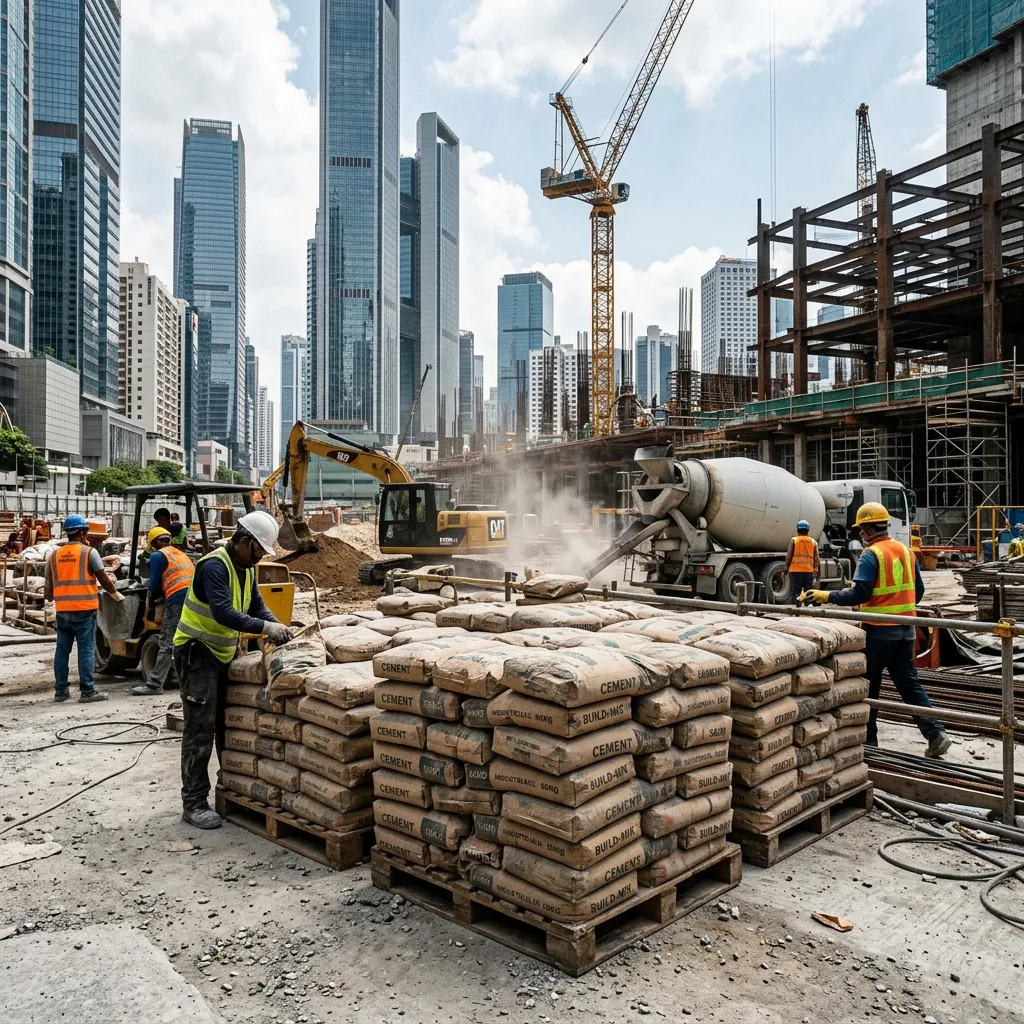
Cement packaging constitutes the largest volume of PP bags in the construction sector. The standard is a 50kg capacity bag. Lamination is non-negotiable to protect the active cementitious properties from atmospheric moisture. The rectangular block shape ensures extreme stability when stacked on pallets in warehouses or shipping containers.
- ✓ Key Requirement: High burst strength and strict micro-perforation standards.
🧱 Gypsum, Plaster, and Dry Mortar
Dry mix products like tile adhesives, grouts, and plasters are highly sensitive to humidity. They often utilize bags with an inner polyethylene (PE) liner or heavy external BOPP lamination to ensure zero moisture transmission. High-quality flexographic or rotogravure printing is also common in this category to display instructions and branding.
⛏️ Sand, Gravel, and Aggregates
Whether for retail hardware stores (25kg bags) or bulk site delivery, open-top woven bags provide a cheap and incredibly strong way to transport heavy aggregates. Because these bags are often stored outside in the sun, they require the addition of premium UV stabilizers (HALS) to prevent the plastic from becoming brittle and tearing.
Why Iranian PP Construction Bags Dominate the Market
Iran is uniquely positioned as a global powerhouse for both cement production and petrochemical manufacturing. This synergy makes Iranian PP construction bags highly sought after across Iraq, Afghanistan, the CIS, and beyond.
Direct Petrochemical Access
Iranian bag suppliers source premium homopolymer polypropylene directly from domestic petrochemical giants. This eliminates international shipping costs for raw materials, resulting in extremely competitive pricing for the final product without sacrificing quality.
State-of-the-Art Machinery
To meet international cement standards, top Iranian factories utilize advanced European machinery, specifically conversion lines from Starlinger (Austria) and Windmöller & Hölscher (Germany), ensuring flawless valve construction and bottom welding.
Quality Testing & Export Standards
When a construction bag fails, it's not just a loss of the bag—it's the loss of the expensive product inside, potential damage to machinery, and massive cleanup costs. Therefore, rigorous testing is mandatory for export.
Drop Impact Testing (IS 7028-2)
Filled bags are dropped multiple times from heights of 1.2 meters (often onto their faces, edges, and bottoms) to simulate the severe impacts of manual loading, truck transport, and accidental falls. The welded seams must not fail.
Air Permeability / Gurley Test
Measures the efficiency of the micro-perforations. The bag must vent air fast enough so that it doesn't explode during high-speed automated filling, while keeping the pores small enough to prevent cement dust from escaping.
Iraqi & Regional Customs Compliance
For exports to Iraq and neighboring countries, bags are accompanied by full Certificates of Origin, commercial invoices, and conformity certificates from accredited labs to ensure smooth border clearance.
The Complete Guide to PP Woven Bags for Construction: Cement, Sand, and Building Materials
Environmental Impact and Recyclability
The construction industry is under increasing pressure to adopt sustainable practices. PP woven bags offer significant environmental advantages over multi-wall paper alternatives. Polypropylene is 100% recyclable. Once a cement or sand bag has served its primary purpose, it can be collected, cleaned, melted down, and re-extruded into new plastic products like garden furniture, pipes, or secondary packaging. Furthermore, PP bags require less energy and water to manufacture than paper processing, resulting in a lower overall carbon footprint.
How to Order Construction Bags from SherkatTrade
-
1
Define the Application
Specify what material you are packing (cement, dry mortar, sand). This dictates the bag type, GSM, and lamination requirements.
-
2
Determine the Dimensions
Provide length, width, and (for block-bottom bags) the valve size and bottom patch dimensions.
-
3
Submit Artwork
Provide your brand design. We utilize high-precision printing to ensure your company logo is clear and professional.
The Complete Guide to PP Woven Bags for Construction: Cement, Sand, and Building Materials
Frequently Asked Questions
Why are block-bottom bags better than standard sewn bags for cement?
▼
Can these bags withstand the sun?
▼
What is the minimum order quantity (MOQ) for custom cement bags?
▼
Conclusion
Procuring the right packaging for construction materials is a high-stakes decision. The bags must withstand brutal physical abuse, protect moisture-sensitive chemical compounds, and perform flawlessly on automated filling lines. Polypropylene woven block-bottom bags represent the pinnacle of modern industrial packaging technology, offering a solution that is stronger, more reliable, and more cost-effective than traditional paper alternatives.
Secure Your Supply Chain Today
Partner with SherkatTrade for premium, export-grade construction packaging sourced from Iran's top manufacturing facilities. Contact us for technical consultation and competitive quotes.