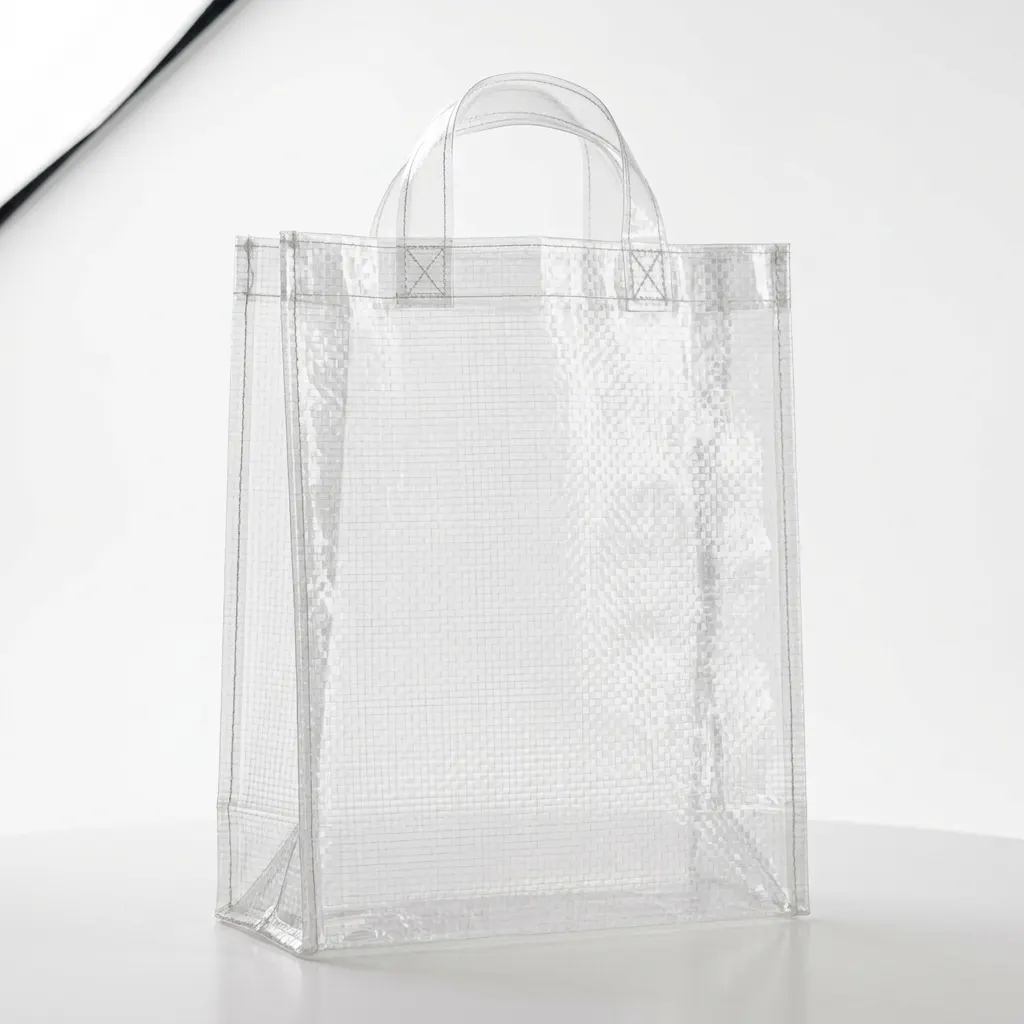
Sustainability in the packaging industry is no longer a luxury; it is a critical industrial requirement. Polypropylene (PP) woven bags, often misunderstood as "simple plastic," actually offer one of the most efficient and eco-friendly solutions for bulk logistics when managed through a circular economy. From their low carbon footprint during production to their 100% recyclability, PP bags are a cornerstone of sustainable global trade.
In this guide, we explore the lifecycle of a PP woven sack — from raw polymer science to mechanical recycling — and explain why choosing high-tenacity Iranian PP is a strategic step toward a greener supply chain for businesses in the Middle East, CIS, and beyond.
Section 1: Lifecycle Assessment (LCA) — PP vs. Others
When evaluating environmental impact, we must look at the entire lifecycle: water consumption, energy use, and carbon emissions. Polypropylene consistently outperforms traditional materials like paper and jute in several key metrics.
| Impact Factor | PP Woven Bags | Paper Sacks | Jute / Burlap |
|---|---|---|---|
| Water Consumption | Minimal | Extreme (Paper Mills) | High (Agricultural) |
| CO2 Footprint (Production) | Low | Moderate | High (Processing) |
| Durability / Reuse | 50+ Cycles | 1-2 Cycles | 10-15 Cycles |
| Weight Efficiency | High (70g for 50kg) | Low (250g for 50kg) | Low (400g for 50kg) |
"Replacing a single-use paper sack with a multi-use PP woven bag can reduce the total carbon footprint of a logistics operation by up to 65% over a one-year period."
The Eco-Friendly Choice: Sustainability, Recycling, and Reusing PP Woven Sacks
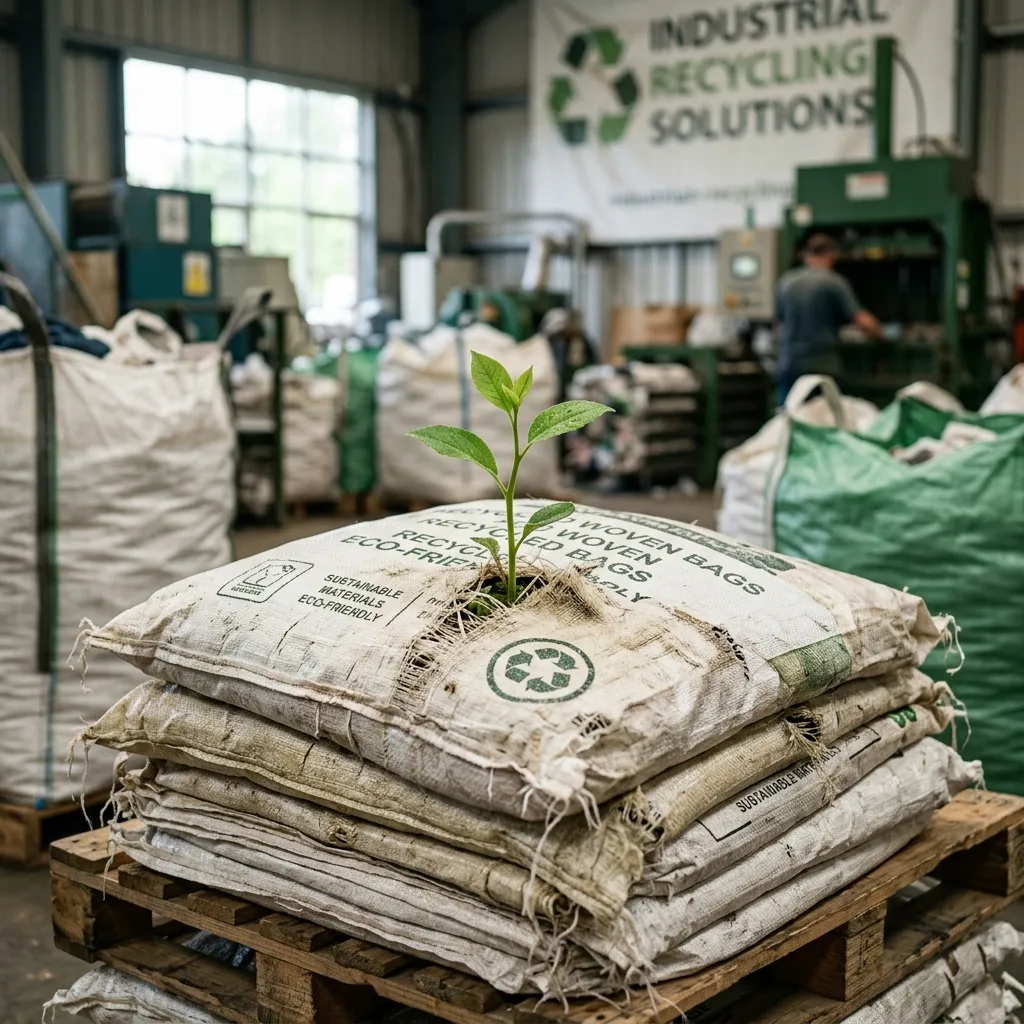
Section 2: Mechanical Recycling — The 5-Step Process
Polypropylene is classified as Resin Identification Code #5. Its molecular structure allows it to be melted and reformed multiple times without significant degradation in tensile strength.
1 Collection & Sorting
Bags are collected from industrial sites and sorted by type (laminated vs. non-laminated) to ensure high-purity recycled material.
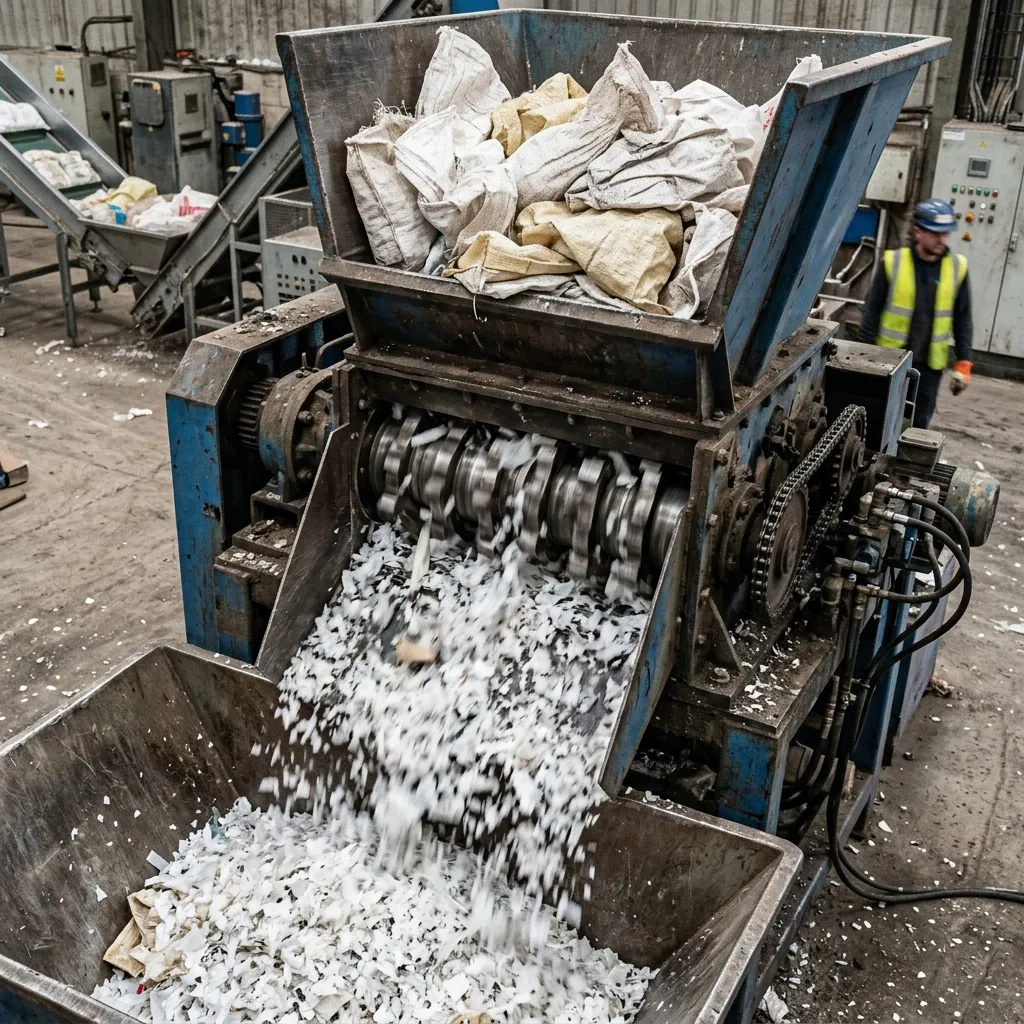
2 Shredding & Washing
Bags are shredded into "flakes" and undergo a high-pressure wash to remove dust, residues, and labels.
3 Extrusion & Pelletizing
The clean flakes are melted in an extruder and filtered. The molten plastic is then cut into small, uniform granules (pellets).
4 Product Re-birth
Recycled PP (rPP) pellets are used to manufacture new industrial products, such as flower pots, automotive parts, and secondary packaging.
Section 3: Zero-Waste Manufacturing in Iran
Leading Iranian factories have implemented internal recycling loops. During the weaving process, "waste" tapes and edge trims are immediately fed back into a dedicated recycling machine. This material is re-extruded and mixed with virgin granules at a controlled ratio (usually 5-10%) to maintain technical specifications while achieving 100% material utilization.
This industrial efficiency doesn't just lower the cost — it ensures that the manufacturing footprint of Iranian PP bags is among the lowest in the world.
The Eco-Friendly Choice: Sustainability, Recycling, and Reusing PP Woven Sacks
Section 4: Reusability — The 50-Cycle Advantage
The strongest environmental argument for PP woven bags is their high tenacity. A standard 75 GSM bag isn't just a container; it's a durable tool.
Stage 1: Primary Export
Transporting 50kg of wheat or fertilizer across international borders with zero damage.
Stage 2: Regional Logistics
After being emptied, bags are sold to regional farms for secondary transport of animal feed or grains.
Stage 3: Local Utility
Final use in construction as debris bags or as protective ground covers in agricultural fields.
Section 5: Carbon Footprint and Logistics Efficiency
Because PP bags are lightweight (approximately 70-80 grams for a 50kg capacity), they add negligible weight to the total cargo. In a standard shipping container, this weight efficiency translates to lower fuel consumption per ton of product delivered compared to heavier alternatives like wooden crates or thick paper sacks.
The Eco-Friendly Choice: Sustainability, Recycling, and Reusing PP Woven Sacks
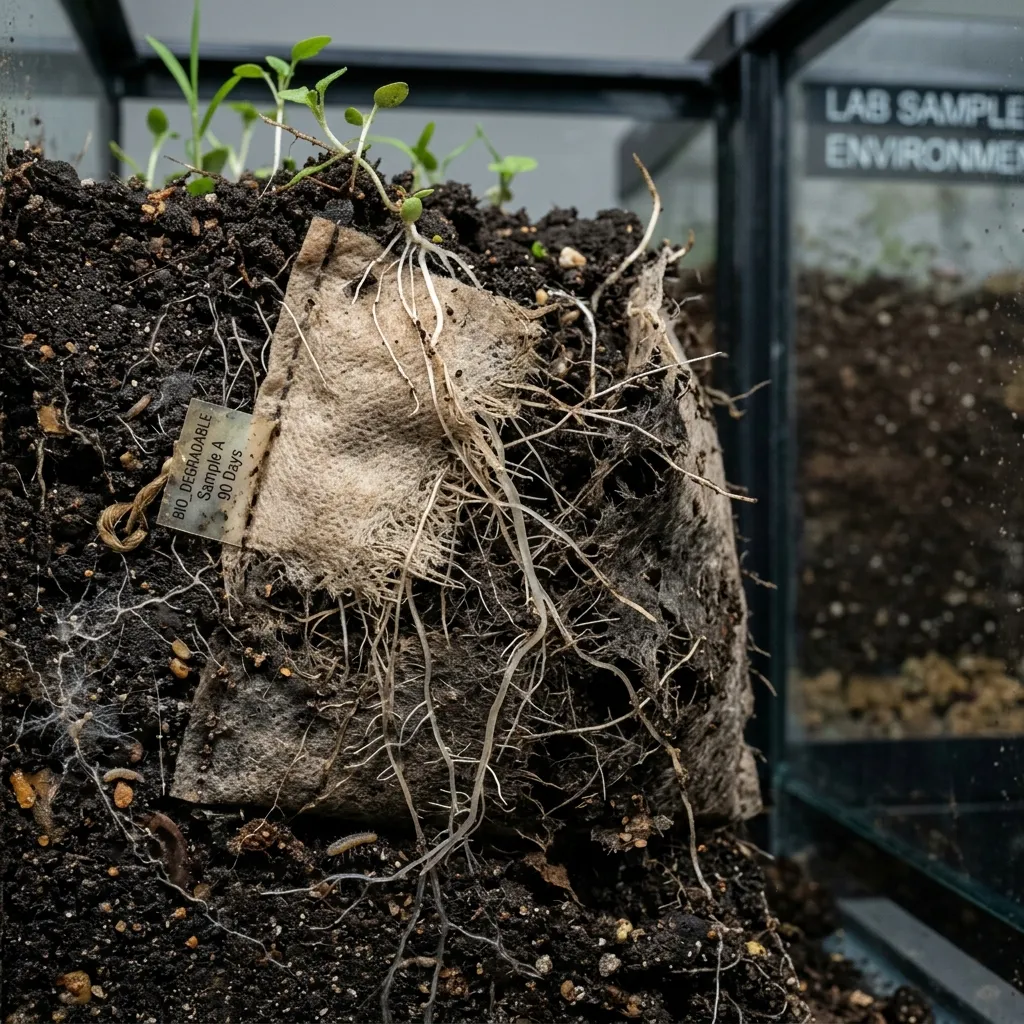
Section 6: Innovations: Oxo-Biodegradable Additives
For specific markets with strict plastic regulations, we offer PP bags with d2w or similar oxo-biodegradable additives. These chemicals trigger a breakdown of the polymer chain when the bag is exposed to sunlight and oxygen at the end of its life, allowing it to biodegrade significantly faster than standard plastic if it ends up in a landfill.
Section 7: Environmental Certifications
When sourcing eco-friendly packaging, look for these three critical standards:
- ✔ ISO 14001:2015: Guarantees that the factory operates an Environmental Management System to minimize its ecological impact.
- ✔ RoHS Compliance: Ensures that no heavy metals or hazardous chemicals (like lead or cadmium) are used in the pigments or UV stabilizers.
- ✔ Global Recycled Standard (GRS): Verifies the recycled content in the bags for companies aiming for "Green Procurement" status.
Section 8: Sustainability FAQ
Are PP bags more eco-friendly than jute?
▼
Can I recycle laminated BOPP bags?
▼
How many times can a bag be reused?
▼
Conclusion: Investing in a Greener Future
The future of industrial packaging lies in the balance between durability and recyclability. By choosing high-quality PP woven bags, you are not only protecting your cargo but also participating in a circular economy that reduces waste and lowers global CO2 emissions.
Ready to make the switch to sustainable packaging? Contact SherkatTrade today for technical samples of our 100% recyclable PP woven sacks.