In the world of international export, your packaging is much more than a container—it is your primary marketing tool. On a crowded retail shelf in Baghdad, Almaty, or Moscow, a high-quality print can be the deciding factor for a buyer. Choosing the right printing technology for your polypropylene (PP) woven bags is a balance of aesthetic impact, technical durability, and unit cost.
Whether you are packaging premium Basmati rice, industrial-grade cement, or agricultural fertilizers, understanding the nuances between Flexographic and BOPP printing is essential for brand success. In this guide, we break down the 9 critical aspects of PP bag branding.
Section 1: What Exactly is PP Bag Printing?
Printing on woven polypropylene is a specialized process. Unlike paper or flat plastic films, woven fabric has a textured surface made of interlaced tapes. This texture presents unique challenges for ink adhesion and registration (alignment). Modern factories use two primary methods to overcome these challenges: direct printing on the fabric (Flexo) or printing on a separate film that is then bonded to the fabric (BOPP Lamination).
The Power of Visuals: Choosing Between Flexo and BOPP Printing for PP Bags
Section 2: Flexographic Printing (Flexo)
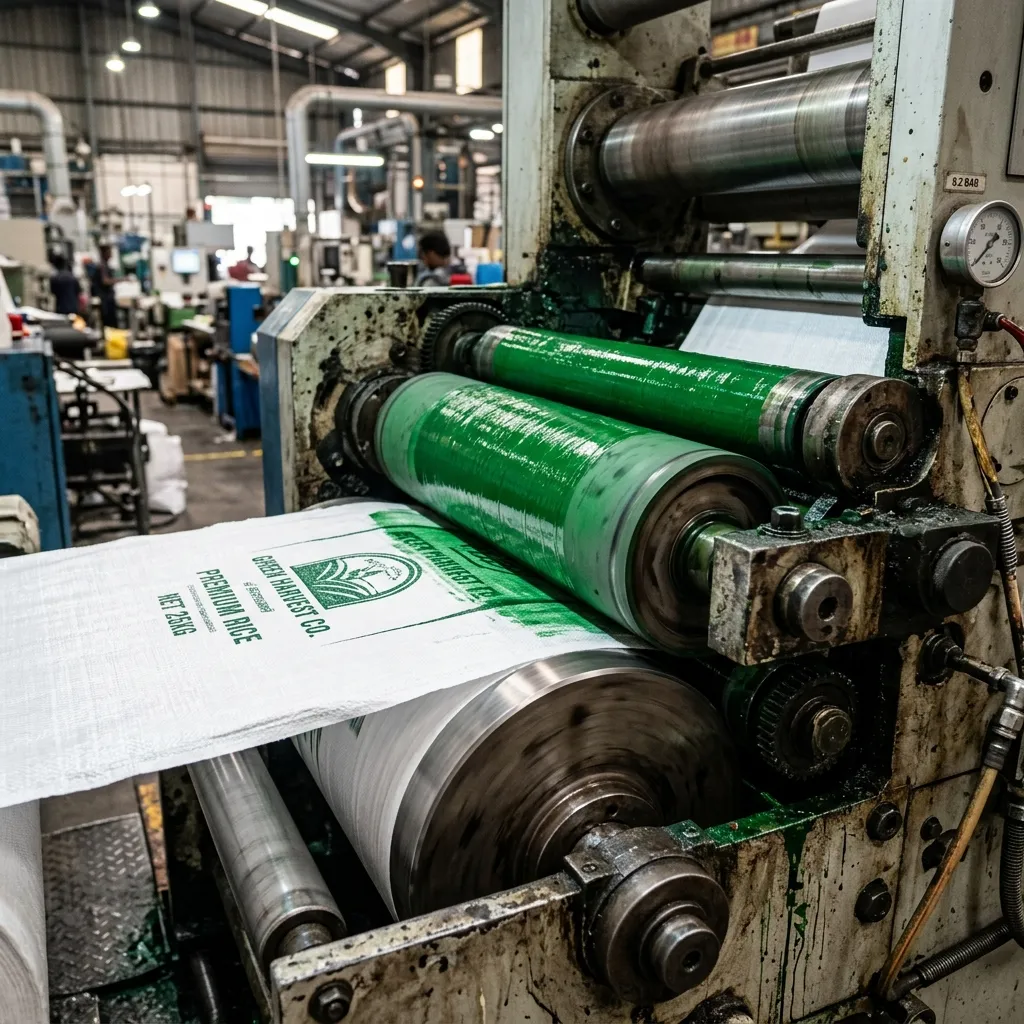
Flexo is the industrial workhorse of the packaging world. It uses flexible relief plates made of rubber or photopolymer (often called "clichés"). The ink is transferred from an anilox roller to the plate, which then stamps the design directly onto the moving woven fabric.
- ✓ Cost-Efficiency: Lowest cost per unit for high-volume orders.
- ✓ Speed: Extremely fast production on Central Impression (CI) presses.
- ✓ Best For: Grains, flour, cement, and chemical sacks where simple logos and text are sufficient.
Section 3: BOPP Lamination (Rotogravure)
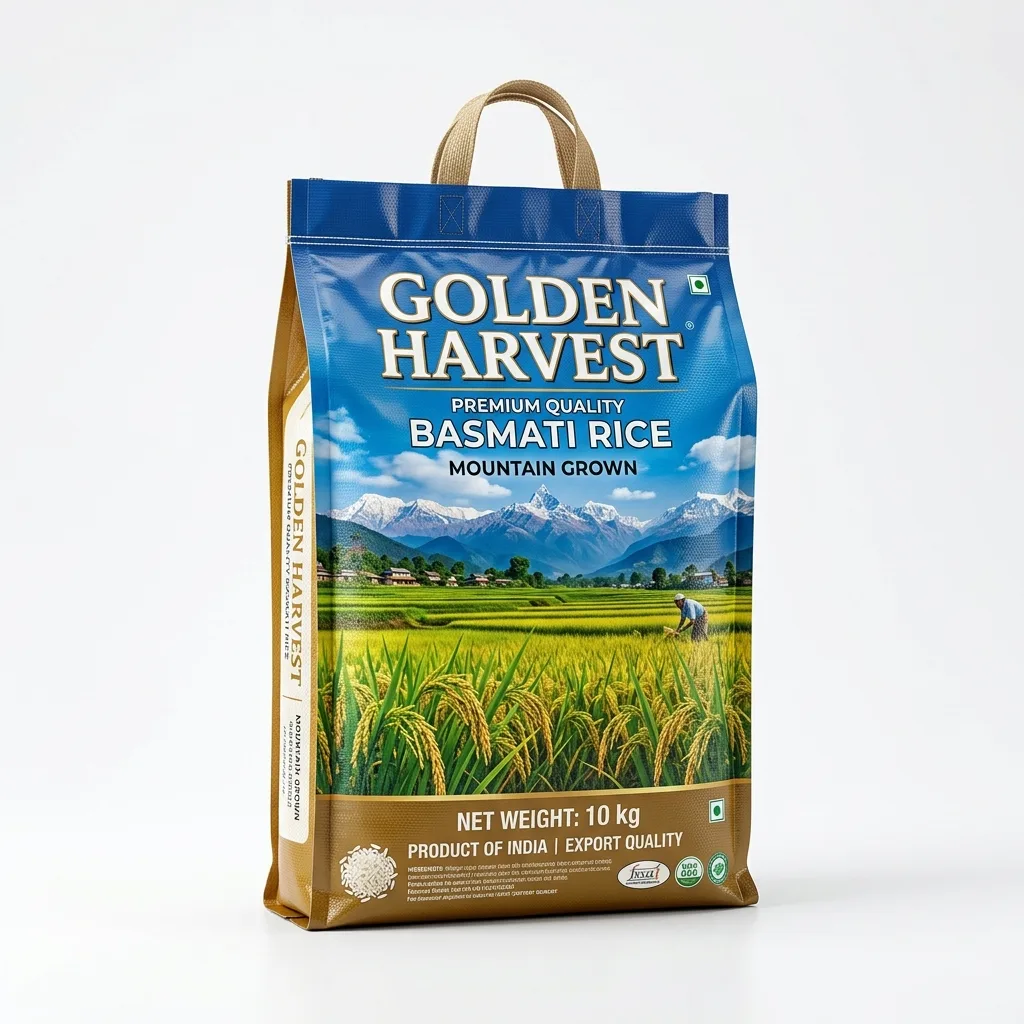
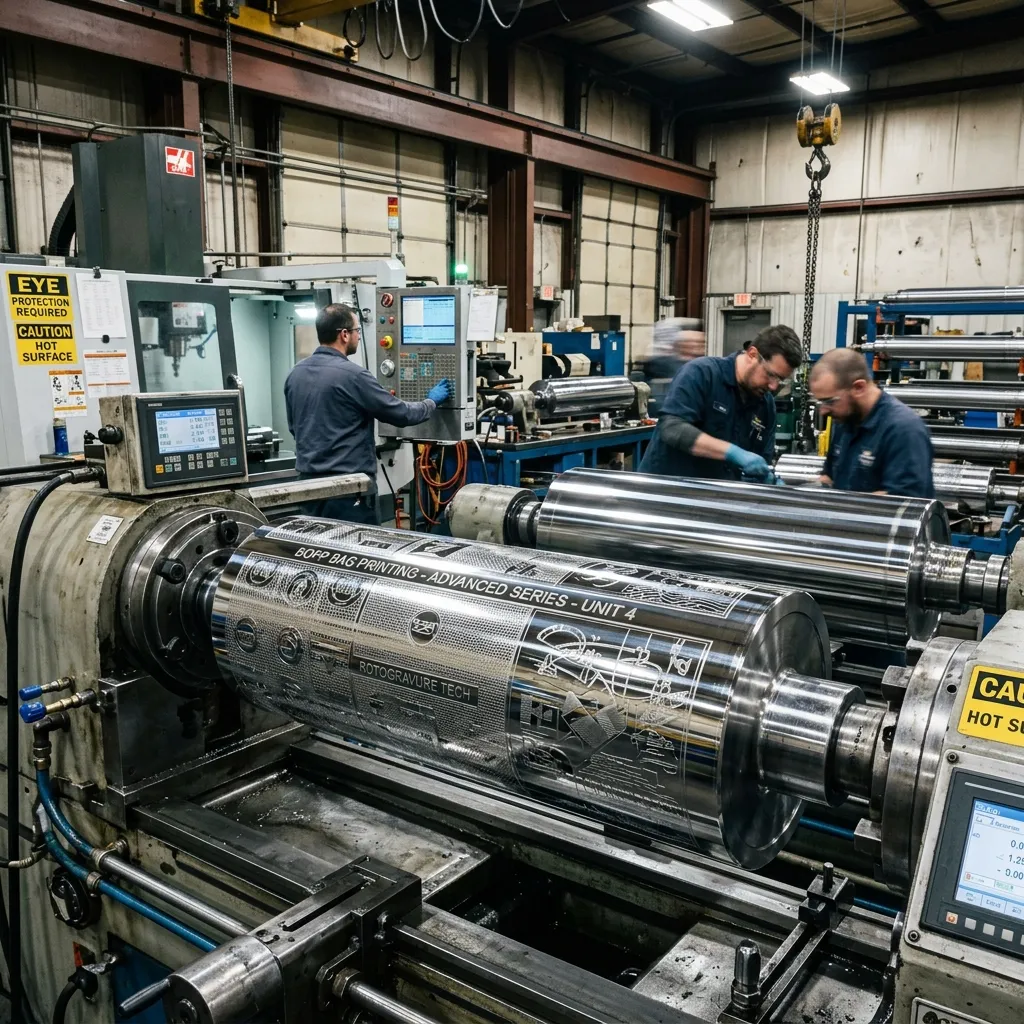
BOPP (Biaxially Oriented Polypropylene) printing is the gold standard for retail-ready packaging. The design is printed using high-speed rotogravure presses onto a thin, transparent film. This film is then laminated onto the woven fabric using a layer of molten PE.
Photographic Quality
Enables CMYK full-color printing with 300+ DPI resolution, allowing for realistic product images and complex gradients.
Total Barrier
The lamination layer creates a 100% moisture and air barrier, essential for protecting sugar, salt, or pet food.
The Power of Visuals: Choosing Between Flexo and BOPP Printing for PP Bags
Section 4: Technical Comparison: Flexo vs. BOPP
| Feature | Flexographic (Standard) | BOPP (Premium) |
|---|---|---|
| Print Quality | Moderate (Text/Simple Logos) | Excellent (Photographic) |
| Max Colors | 1 - 4 Colors | Up to 10 Colors (CMYK) |
| Initial Cost | Low (Rubber Plates) | High (Gravure Cylinders) |
| Moisture Barrier | Low (Fabric breathing) | 100% Waterproof |
| MOQ | 10,000 - 30,000 pcs | 50,000+ pcs |
Section 5: Setup Costs: Understanding the Investment
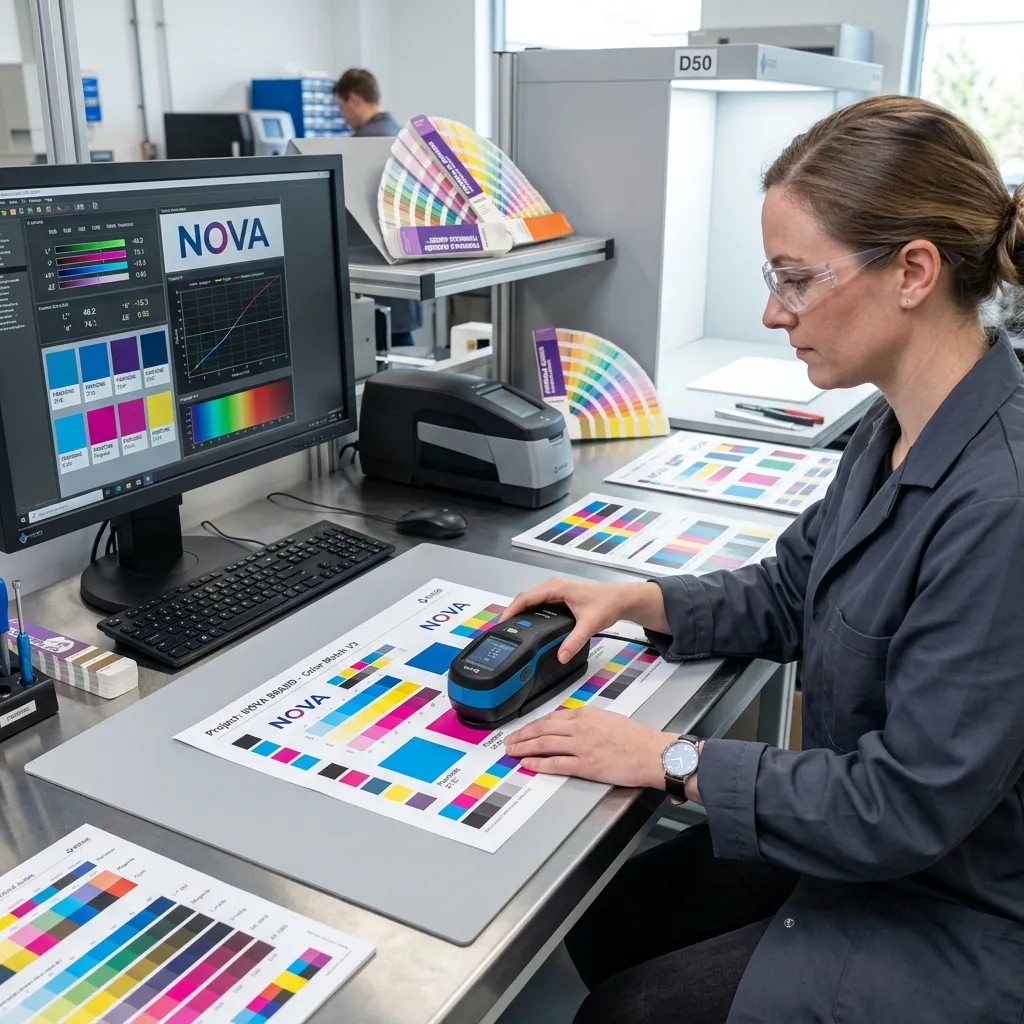
One of the biggest hurdles for new brands is the initial setup cost. Unlike digital printing, industrial printing requires physical assets for each color in your design.
"Pro Tip: If you are launching a new product and expect design changes, start with Flexo. BOPP cylinders are a major investment and cannot be edited once engraved."
The Power of Visuals: Choosing Between Flexo and BOPP Printing for PP Bags
Section 6: Design Strategy for Export Markets
When designing for markets like Iraq or Russia, your layout must include:
- Bilingual Text: Local language (e.g., Arabic/Russian) + English.
- Clear Metrics: Net weight and volume in metric units.
- Compliance Symbols: Food-grade icons, recycling logos, and barcode/QR areas.
- Safety Margin: Avoid critical text near the seams and bottom fold.
Section 7: Quality Control: Ink Adhesion and Safety
Nothing damages a brand faster than ink that peels or fades. We perform Adhesion Tests (Scotch Tape Test) and Rub Tests on every batch. Furthermore, for food packaging, we use only food-safe, low-migration inks that comply with international FDA and EU regulations.
Section 8: Frequently Asked Questions
Can I print a photograph on a standard PP bag?
▼
How long do the plates/cylinders last?
▼
Section 9: Conclusion: Making the Right Choice
The choice between Flexo and BOPP depends on your target market and budget. If you are competing in a high-end retail environment, the investment in BOPP is mandatory. For bulk industrial supply, Flexo remains the most logical and cost-effective solution. At SherkatTrade, we provide both technologies with the highest quality standards in the Middle East.